From the warehouse · Updated regularly
The NMLP Donation Archive
A growing public catalog of regionally significant New Mexico books that came through donation. The book itself, why it matters, the donor scenario it came from, and where it ended up. So you can see what survives.
Why this archive exists
When someone donates books to a chain thrift, the books vanish into a flow. There's no record. Most go to a sale shelf for a few weeks; the unsold ones are pulped or landfilled, depending on the operation. From the donor's side, you have no way to know whether your father's library ended up with a reader or in a transfer station in Bernalillo County.
From my side, I see the books. They come through my warehouse on Edith Boulevard. I sort them, photograph the ones that catch my eye, and route them — to readers, to UNM Center for Southwest Research when something belongs in a scholarly archive, to private collectors who specialize in a region or an author, to the regional pulp recycler when a book genuinely cannot find a reader anywhere. Nothing in the last category goes to a landfill.
This archive is the public-facing record of what came through. It is small today and it will be large in a year. Each entry is one book, one photo, and a short note — what it is, what makes it regionally significant, the donor scenario it came from (anonymized), and where it ended up. I add to it as books arrive and I have time to write.
If you donated to NMLP and you're curious whether your books are here — some of them probably are. If a particular book was meaningful to you and you'd like a note about where it went, call or text 505-250-3804 and I'll check.
— Josh Eldred, New Mexico Literacy Project, Albuquerque
Thirty-one entries on the shelf, including two Albuquerque Public Library discards from this month's intake.
May 2026 added a signed Carl Hertzog–designed Texas Western Press monograph (Braddy's Pershing's Mission in Mexico), two Albuquerque Public Library cloth-bound discards with the full institutional-provenance chain still legible — L. S. M. Curtin's Healing Herbs of the Upper Rio Grande (the foundational ethnobotanical record of Spanish–New Mexican curandera medicine, 1965 Southwest Museum / 1974 Second Printing, with hand-drawn salmon-ground endpaper maps of the Upper Rio Grande villages and a Title VII federal-bilingual-collections acquisition stamp) and Richard A. Summers' The Devil's Highway (a 1937 Father Kino / Pimería Alta historical novel illustrated by former UNM art faculty member Nils Hogner). Each entry below carries the cover, the signature or title page where present, and the copyright page so the bibliographic record is verifiable.
Featured Collection
A Southwestern & Native American Library — 49 books, 13 signed
One donor’s working library of Navajo & Pueblo art, pottery, weaving, and New Mexico history — several inscribed by their authors. →
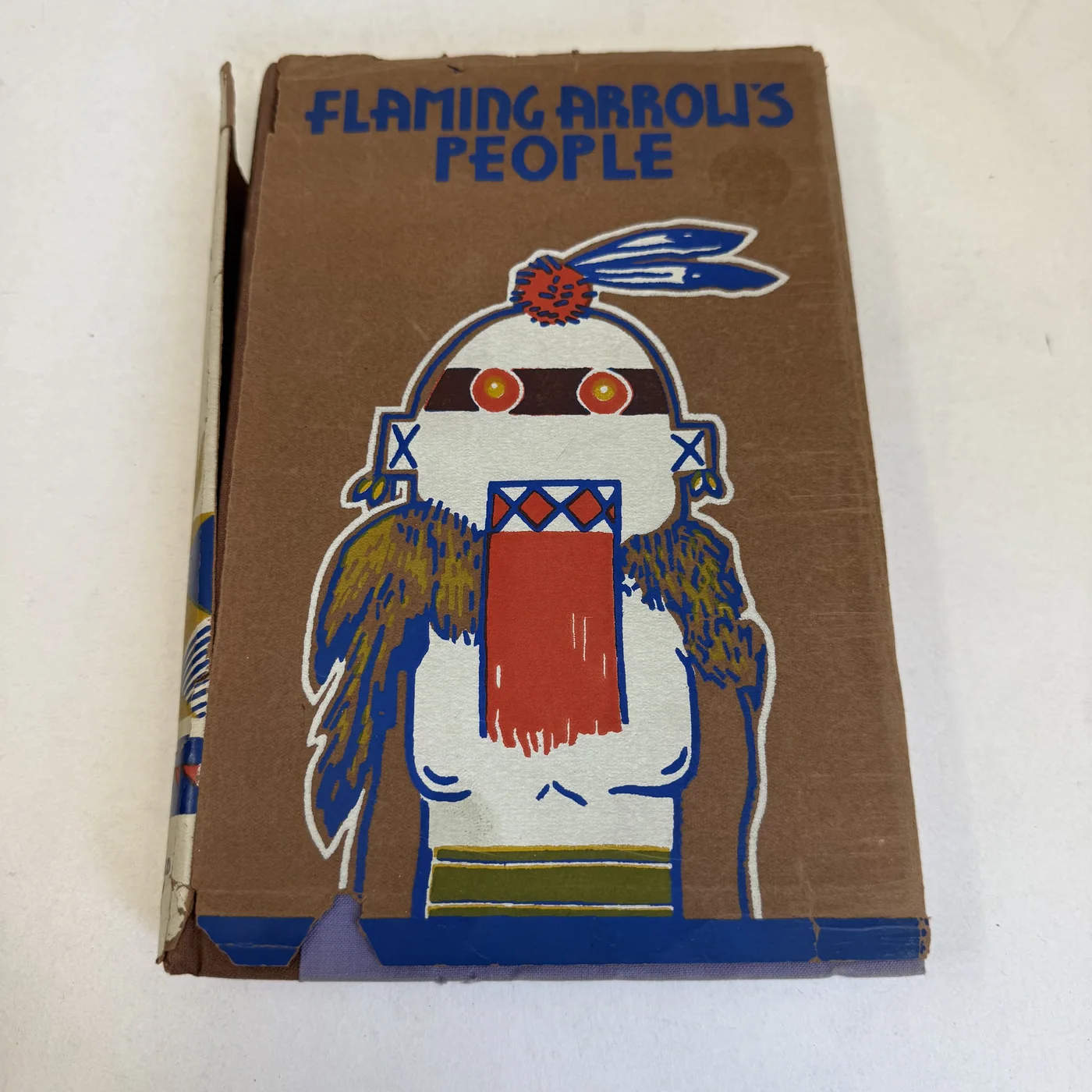
Duffield & Green 1932 only printing · author's own color drawings · Gallup trader association copy
James Paytiamo — Flaming Arrow's People, 1932 first in jacket
Generally cited as the first book-length self-told Acoma account for a trade audience — written and illustrated by Paytiamo, in the scarce pictorial jacket from his own art. Inscribed Christmas 1932 by Gallup Indian trader Mike Kirk and Haske Naswood, “your Compadres,” to Billy Hannett — the trading-post world on one endpaper.
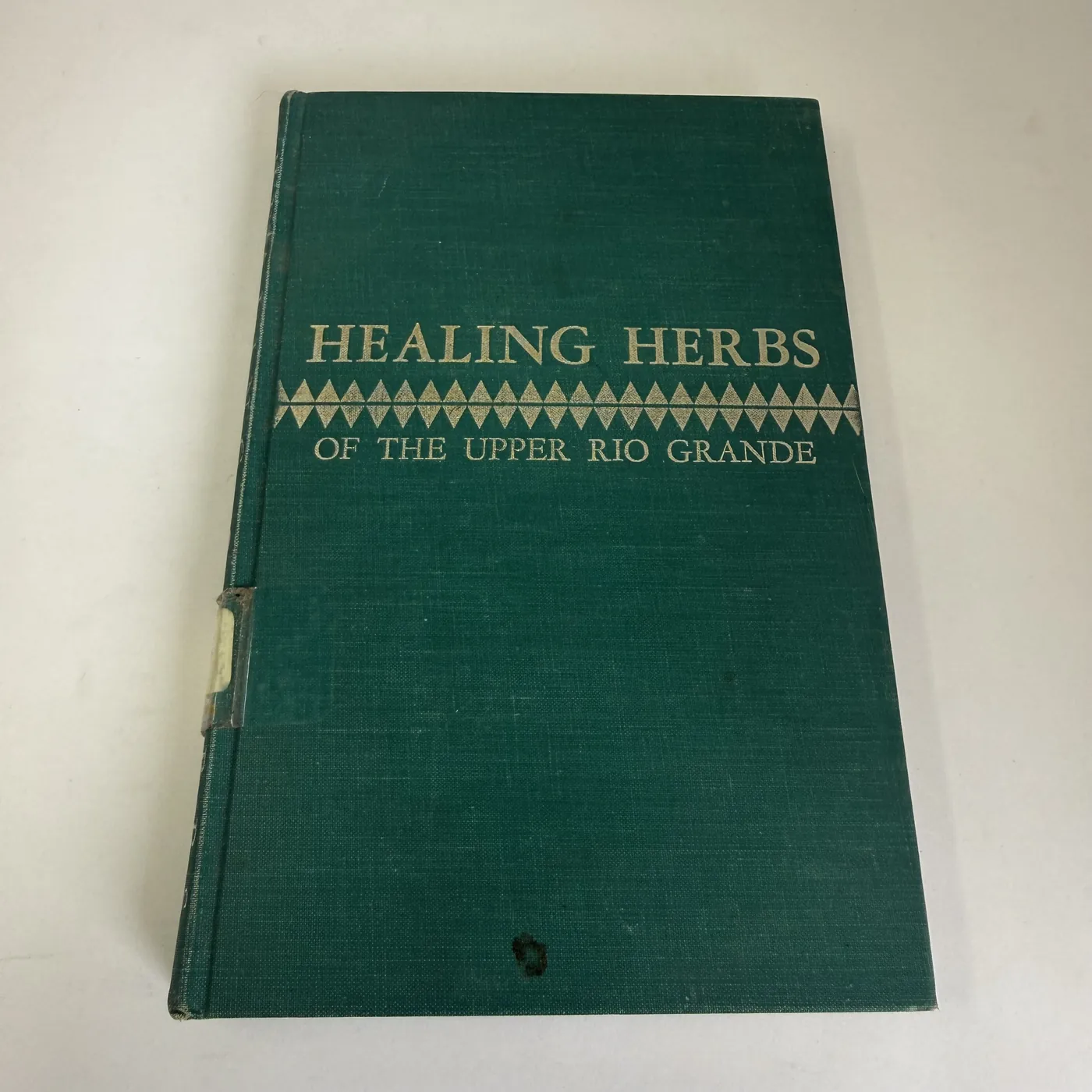
Southwest Museum 1965 / 1974 · ALB Public Library Title VII discard · Closed pool (d. 1972)
L. S. M. Curtin — Healing Herbs of the Upper Rio Grande, 1965 / 1974
The foundational ethnobotanical record of Spanish–New Mexican curandera medicine in the Upper Rio Grande villages. Southwest Museum hardcover with intact salmon-ground cartographic endpaper of the village geography (Albuquerque, Santa Fe, Chimayó, El Rito…), P. G. Napolitano drawings, and the Albuquerque Public Library SW 581.6 Cur federal-bilingual-collections provenance.
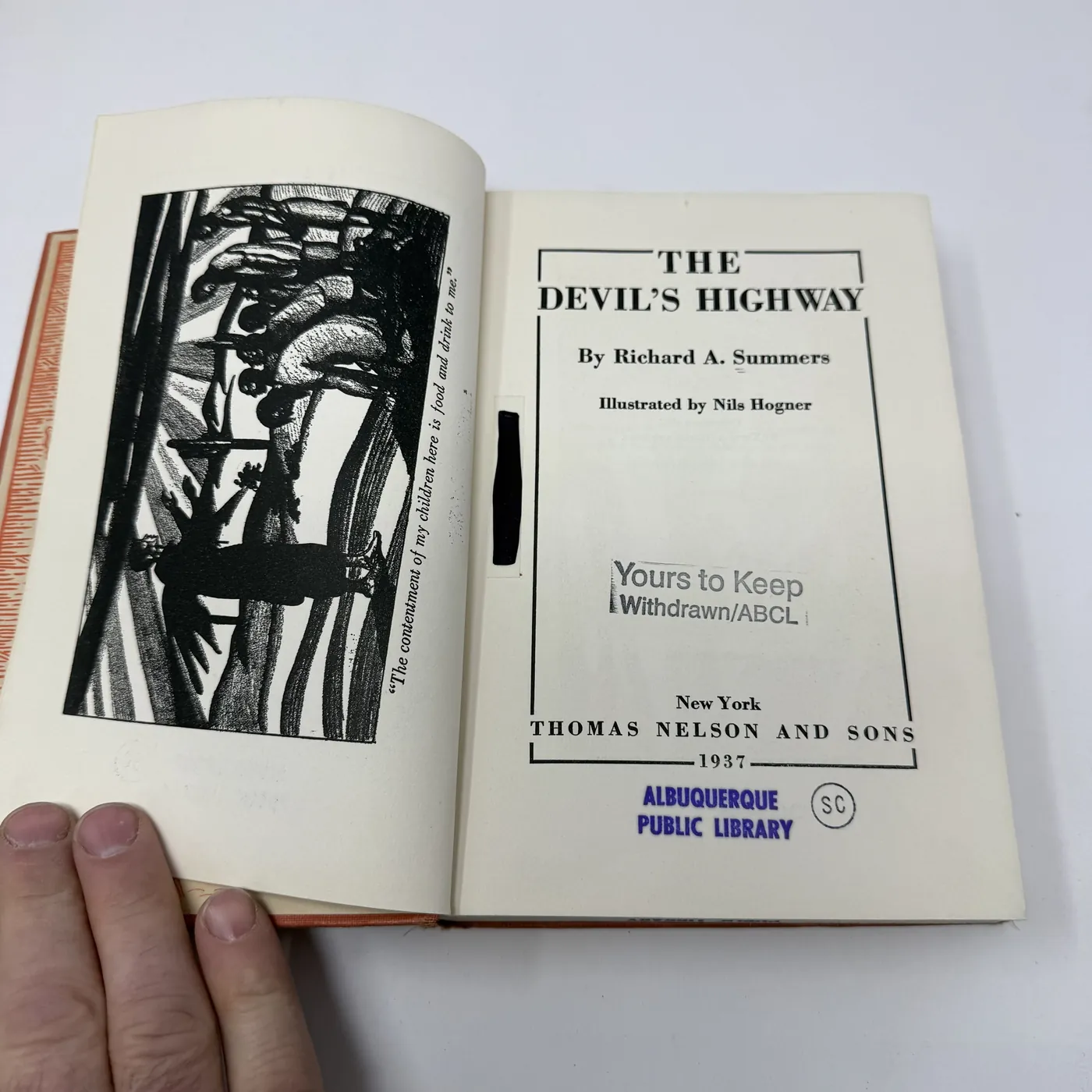
Thomas Nelson 1937 first · Nils Hogner / UNM connection · ALB Public Library ABCL discard
Richard A. Summers — The Devil's Highway, 1937 first
A Pimería Alta historical novel set on El Camino del Diablo during Father Eusebio Francisco Kino's Sonora–Arizona Jesuit mission period. Illustrated by Swedish-American painter Nils Hogner, who spent four years on the UNM art faculty in the 1920s. Albuquerque Public Library Yours to Keep / Withdrawn-ABCL stamps, accession 306488, both Hogner endpaper maps intact.
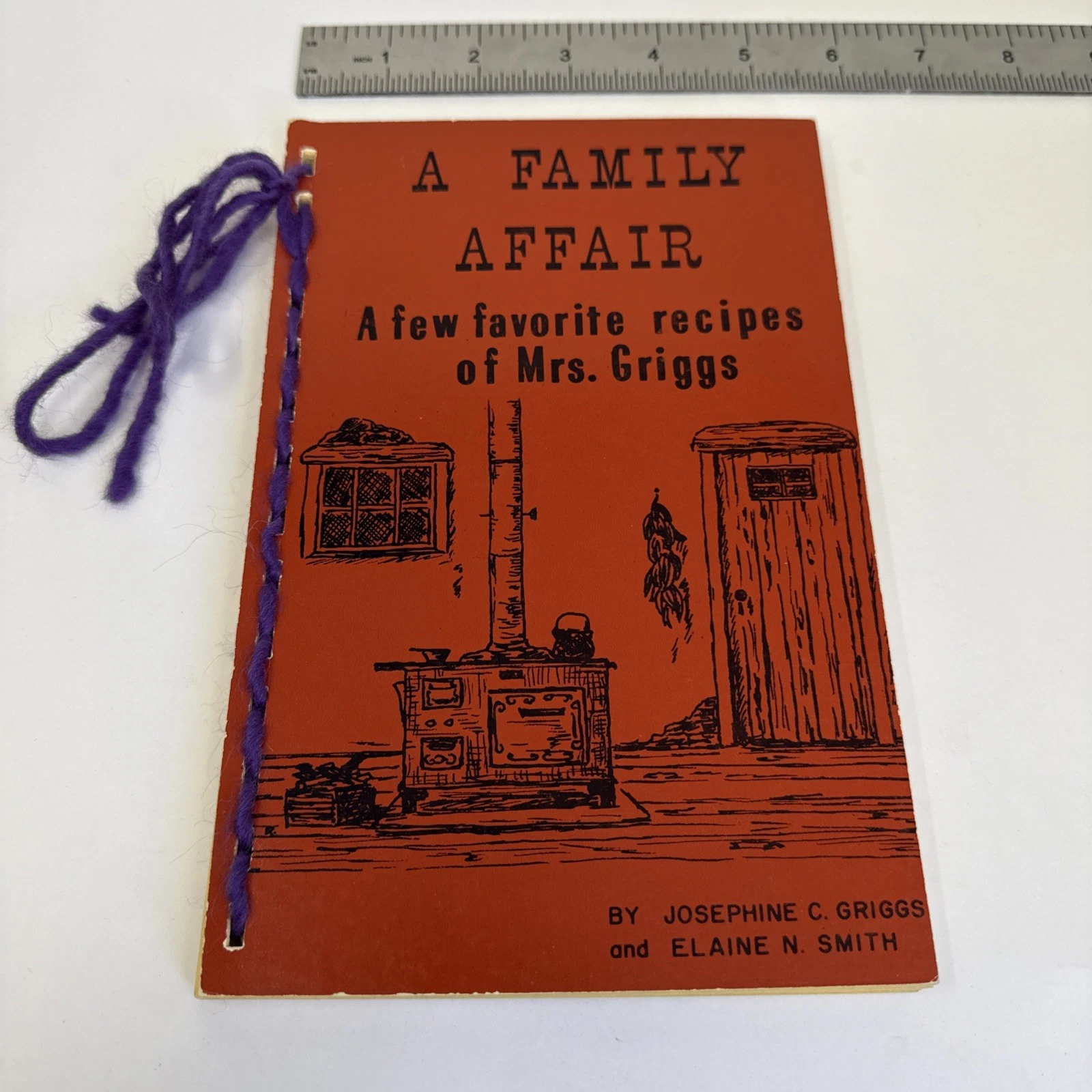
Mesilla pioneer family · El Pinto provenance
A Family Affair — Mrs. Griggs / El Pinto, 1968
Family-recipe origin document for Griggs Restaurant of Las Cruces and El Pinto Restaurant of Albuquerque. Mesilla pioneer-family cookbook, Bronson Printing Las Cruces.
Named provenance · Kirtland AFB connection
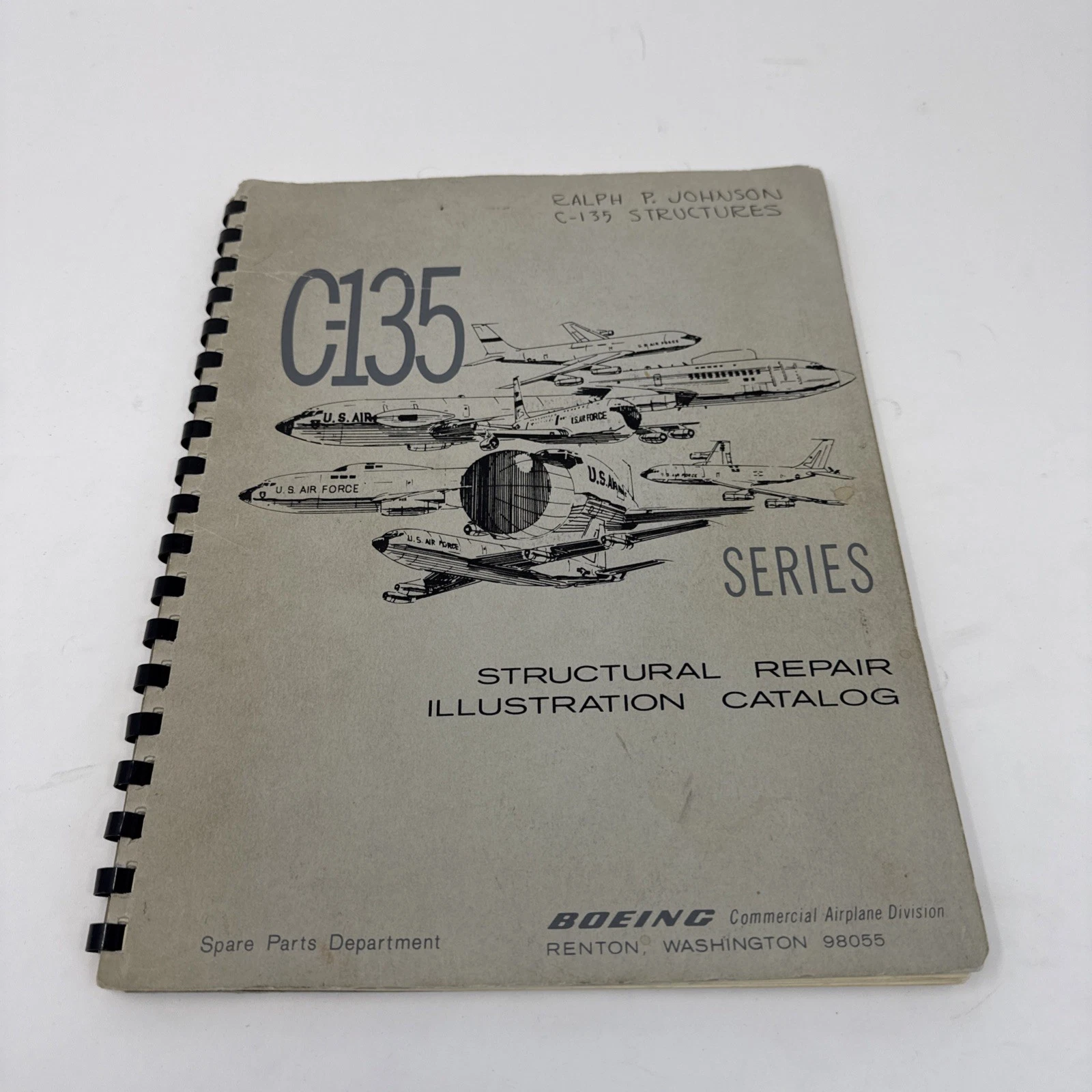
Boeing C-135 Structural Repair Manual — Ralph F. Johnson
Boeing factory technical manual covering the KC-135 Stratotanker, RC-135, and EC-135 family. Hand-named working copy from a Kirtland-era technician.
UNM Press first edition · The Vargas Project
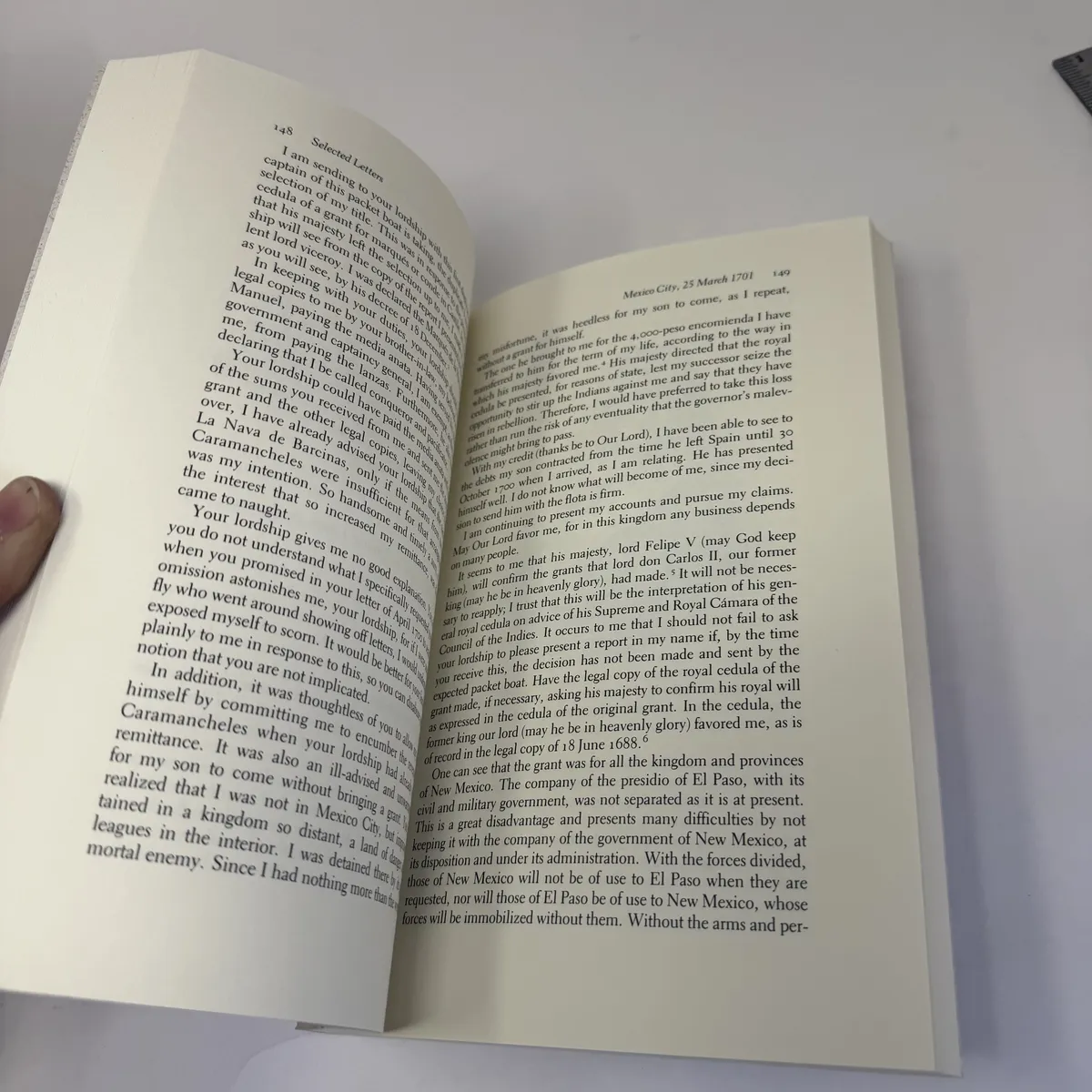
Letters from the New World — Vargas / Kessell, 1989
First edition abridgment of the Vargas family correspondence drawn from the long-running UNM Press scholarly project on Spanish-colonial New Mexico under the reconquest governor.
1963 MOIFA exhibition catalog · E. Boyd foreword
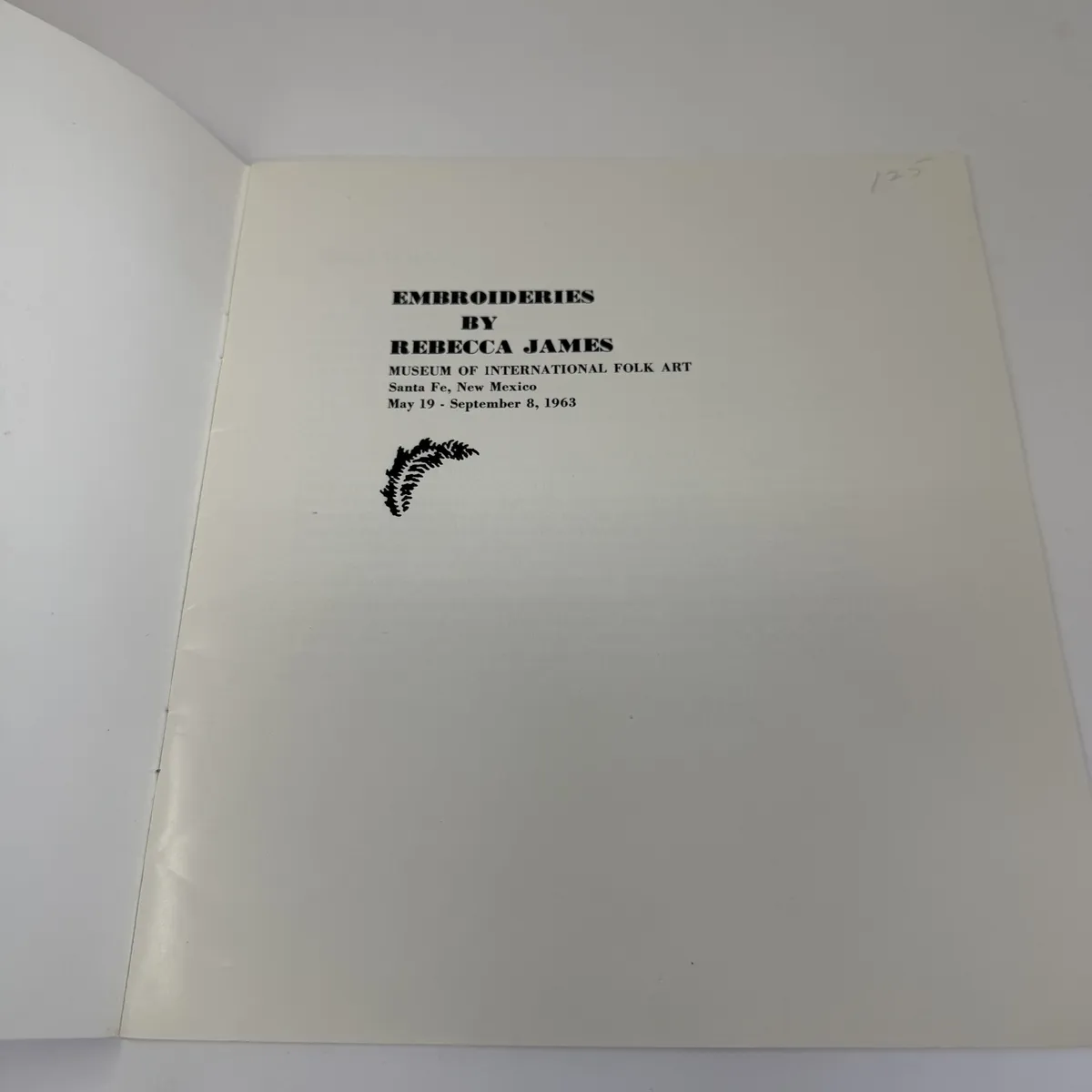
Embroideries by Rebecca James — MOIFA Santa Fe, 1963
Museum of International Folk Art exhibition catalog with foreword by E. Boyd documenting Rebecca Salsbury James's revival of the colonial NM colcha stitch in Taos.
UNM Press first edition · Marc Simmons foreword
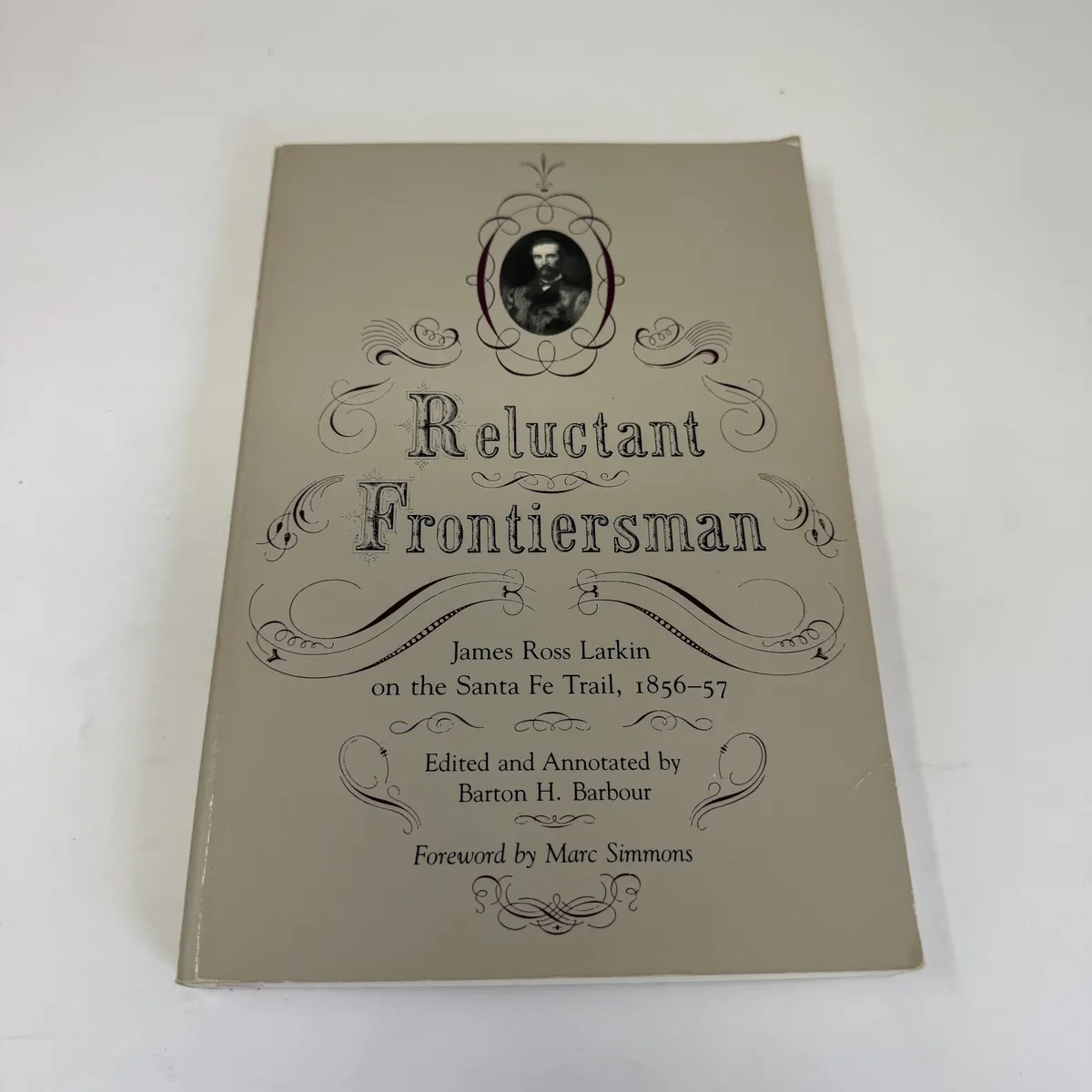
Reluctant Frontiersman — Larkin / Barbour, 1990
Santa Fe Trail diary of a wealthy St. Louis health-seeker who joined William Bent's 1856 caravan. UNM Press first edition with Marc Simmons foreword.
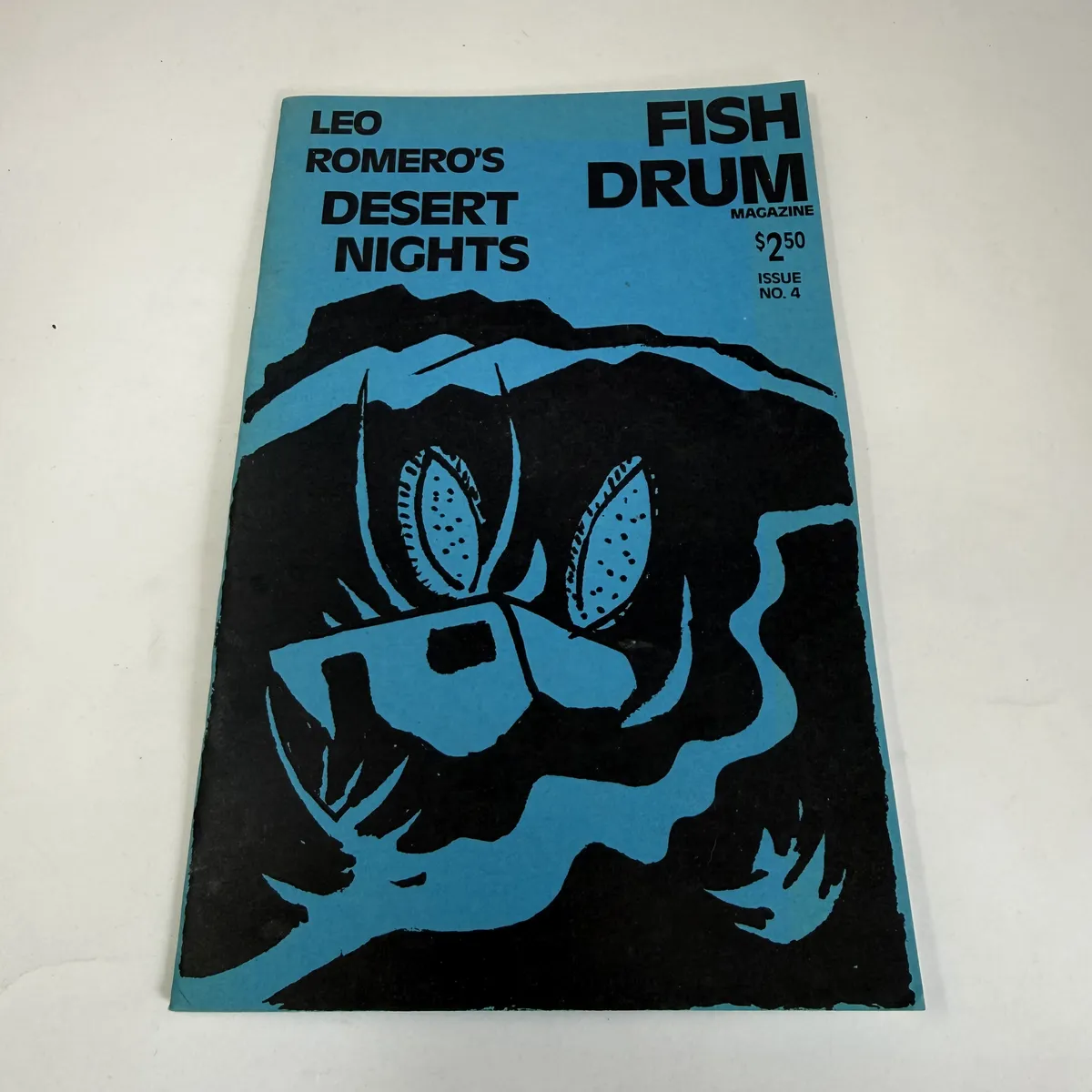
SIGNED with original drawing · Santa Fe small press
Fish Drum #4 — Leo Romero Desert Nights, signed with art
Santa Fe small-press literary magazine signed by Pushcart Prize-winning Chicano poet Leo Romero with an original portrait drawing inscribed "For Rey." Out of print.
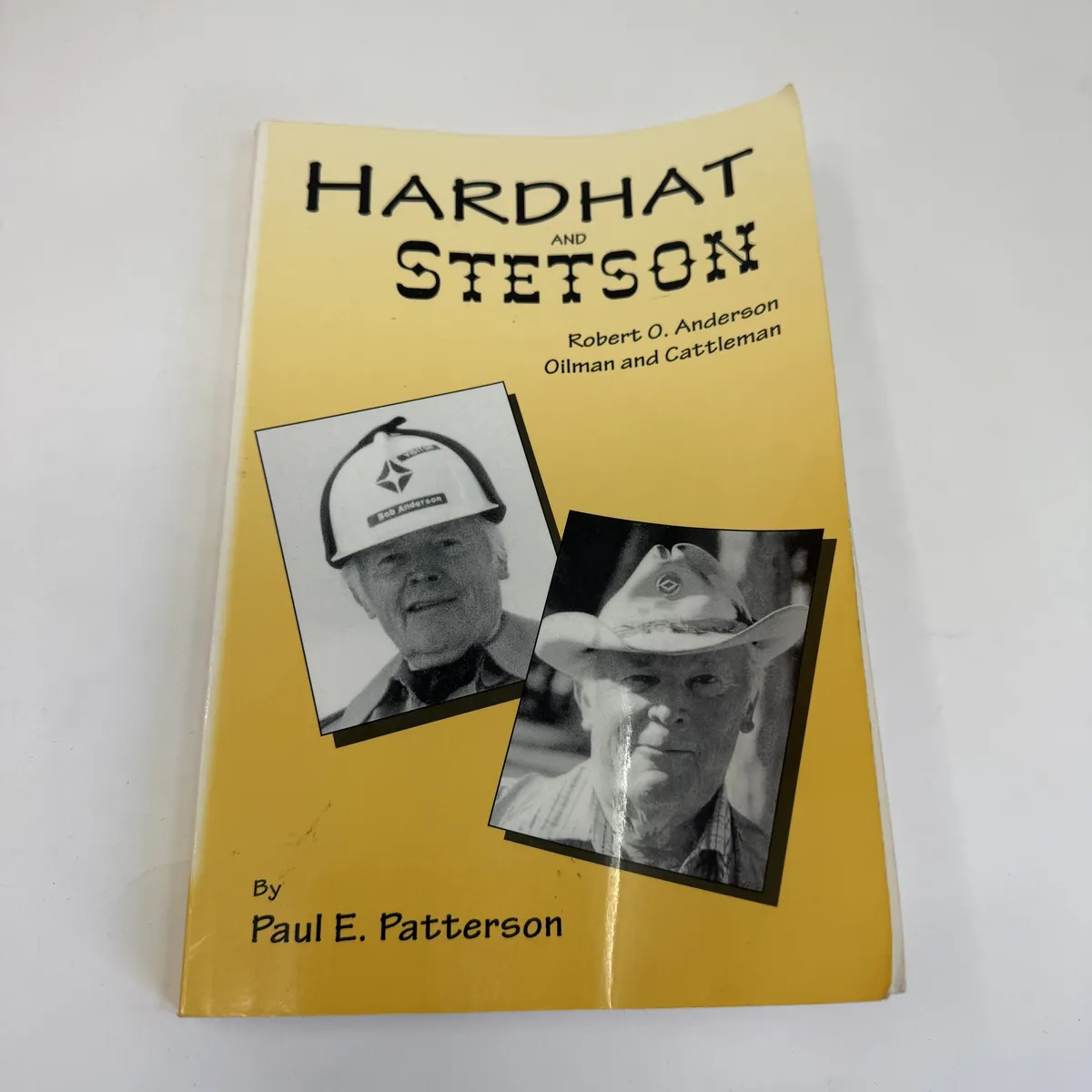
SIGNED · Sunstone Press first edition
Hardhat and Stetson — Anderson / Patterson, 1999
Author-signed Sunstone Press biography of Robert O. Anderson, ARCO founder and once the largest individual landowner in the United States, with the Diamond A Cattle Company in Lincoln County NM.
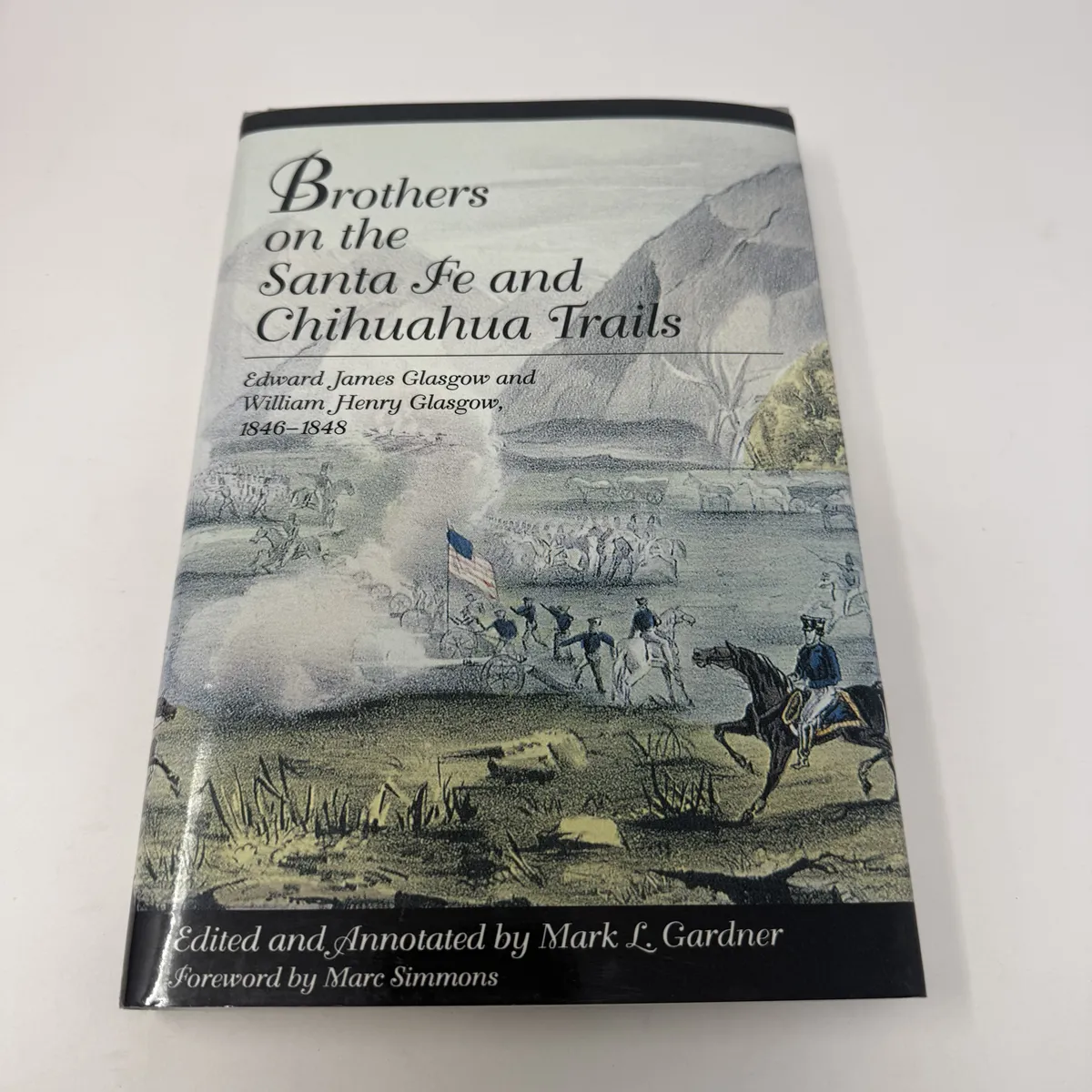
SIGNED hardcover · Marc Simmons foreword
Brothers on the Santa Fe & Chihuahua Trails — Glasgow / Gardner, 1993
Editor-signed UPC first edition with dust jacket. Mexican-American War-era Santa Fe Trail merchant primary source. Marc Simmons foreword (closed pool).
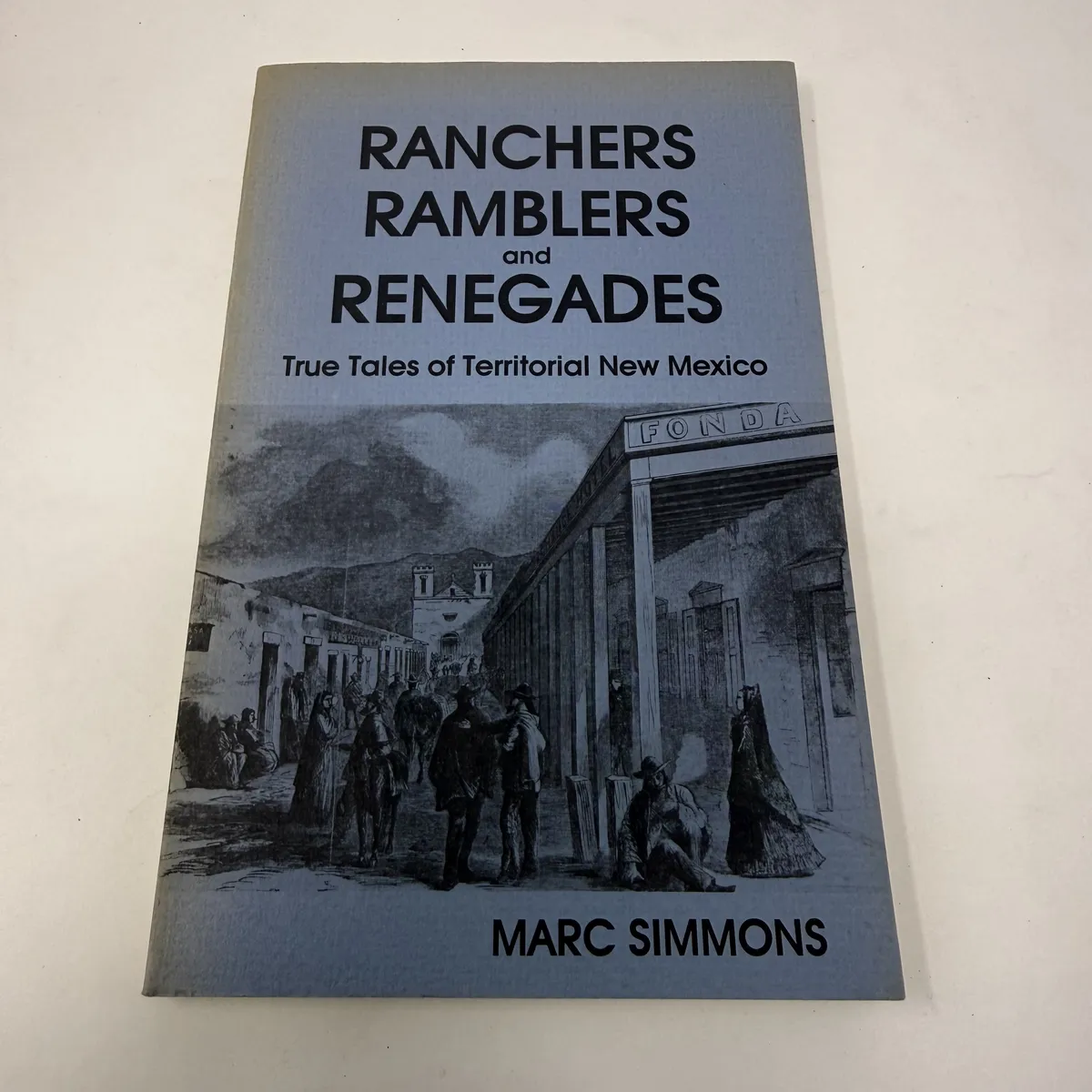
Ancient City Press first edition · Closed pool
Marc Simmons — Ranchers, Ramblers and Renegades, 1984
Santa Fe small-press first edition by the dean of NM popular history. Closed pool (Simmons d. September 2023). Designed by Mary Powell.
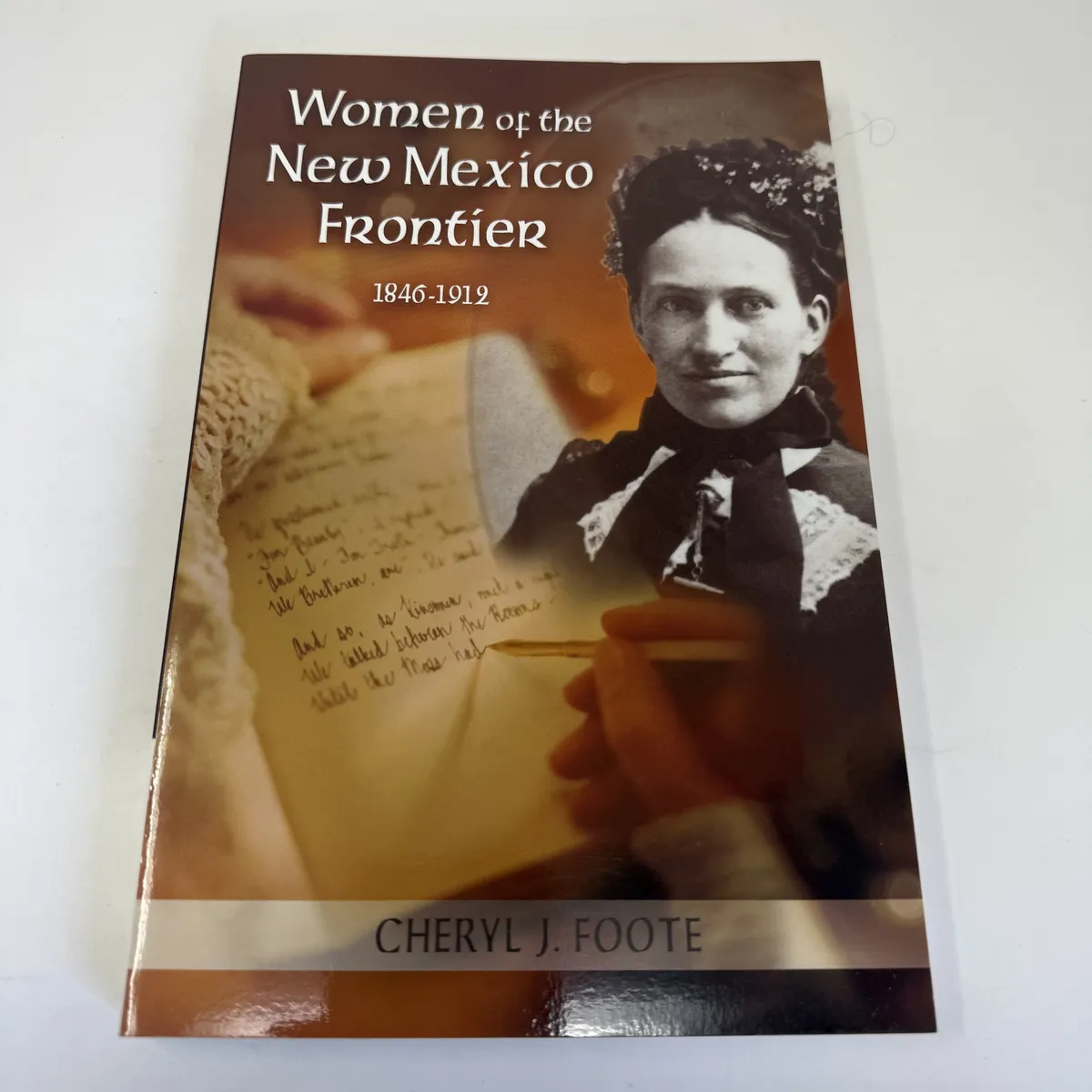
UNM Press scholarly edition · Albuquerque historian
Cheryl J. Foote — Women of the NM Frontier 1846–1912
UNM Press monograph by an Albuquerque-based historian (UNM PhD). Principal scholarly volume on territorial-period NM women.
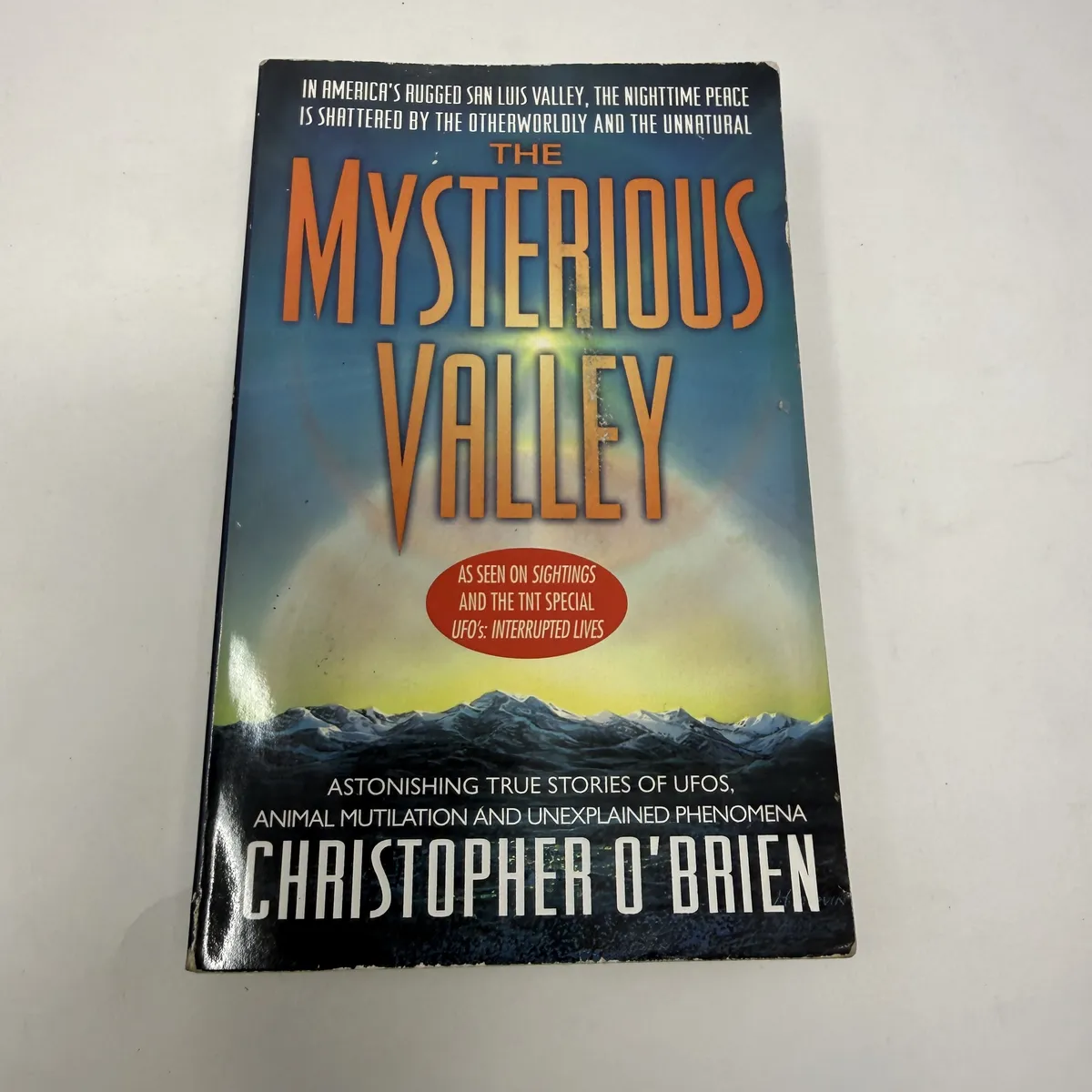
First edition · San Luis Valley UFO chronicle
Christopher O'Brien — The Mysterious Valley, 1996
First nationally-distributed mass-market book on the San Luis Valley UFO and cattle-mutilation phenomenon. As seen on Sightings TV. St. Martin's Paperbacks September 1996 first edition.
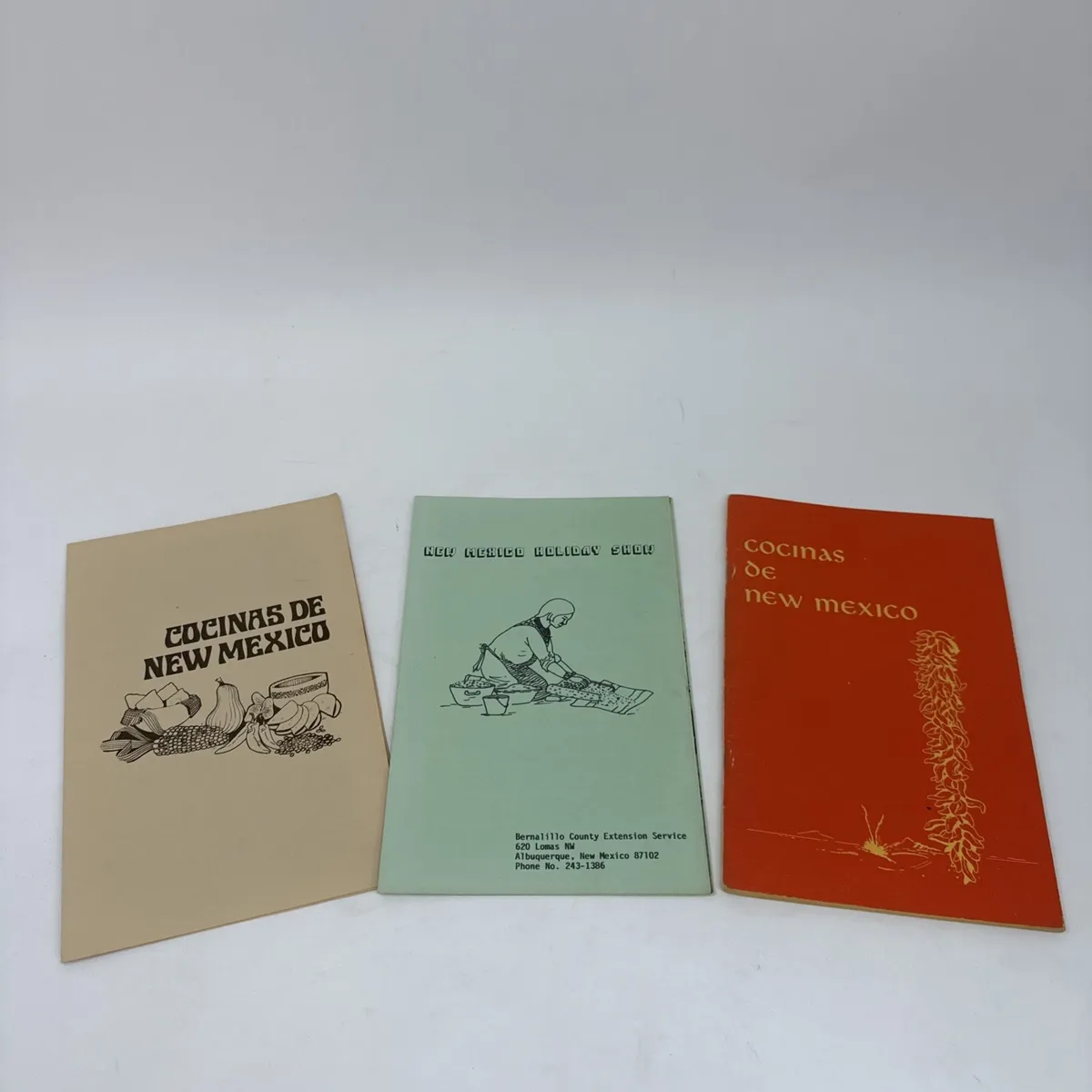
Scarce regional ephemera · eBay comps the mid-range collectible zone/book
Cocinas de New Mexico — PSC of NM cookbook collection
Multi-printing collection of the Public Service Company of NM promotional cookbook plus the Bernalillo County Extension Service Holiday Show. Saddle-stitched, no ISBN, scarce NM food-history ephemera with active secondary-market demand.
Inaugural clearout-for-service entry · Cross-border NM-Chihuahua niche
Mata Ortiz Pottery Trio — Juan Quezada, Potters of Mata Ortiz, Paquimé
Three-book reference cluster on Juan Quezada Celado (1940–2022) and the late-20th-century revival of pre-Columbian Casas Grandes / Paquimé pottery in Mata Ortiz, Chihuahua. From an Albuquerque clearout-for-service pickup. Inaugurates a new donor archetype in the archive.
Exceptional 160 × 136 in. wool blanket · LVL routing · 50/50 proceeds split
Laurentian Pure Wool Blanket by Ayers of Lachute, oversized
Exceptional 160 by 136 inch Laurentian Pure Wool blanket made by Ayers Woolen Mill of Lachute, Quebec (founded 1879). Cream body, sage-green band, twin teal stripes, original Mothproof label intact. From a La Vida Llena resident estate, 50/50 proceeds with the LVL employee appreciation fund if sold.
Dual dating: Chicago c. 1890s-1910s + Denver newsprint c. 1955-57 · LVL routing
Chas. T. Wilt Chicago Flat-Top Steamer Trunk
Turn-of-century flat-top canvas-and-wood steamer trunk by Charles T. Wilt, 40 E. Madison St., Chicago. Original brass maker's plate. Interior tray relined with mid-1950s Denver Post newsprint datable to the 1941-1957 Tam O'Shanter golf tournament. Hinges work, lock failed, wheels good. From a La Vida Llena resident estate.
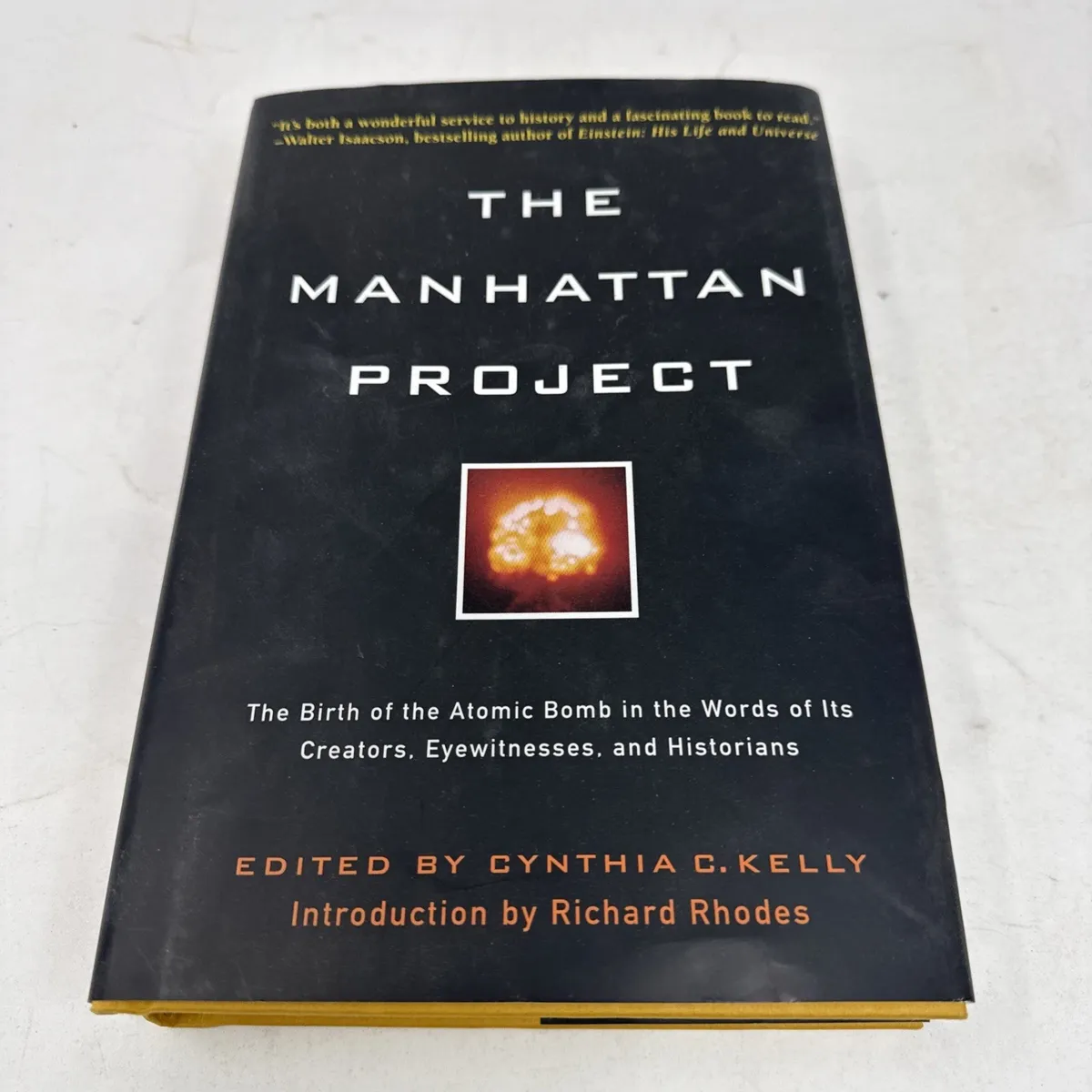
SIGNED + inscribed · Richard Rhodes introduction
Cynthia C. Kelly — The Manhattan Project, signed (2007)
Editor-signed first-edition hardcover anthology of Manhattan Project / Los Alamos primary-source documents. Personalized inscription. Atomic Heritage Foundation. Pulitzer-Prize winner Richard Rhodes introduction.
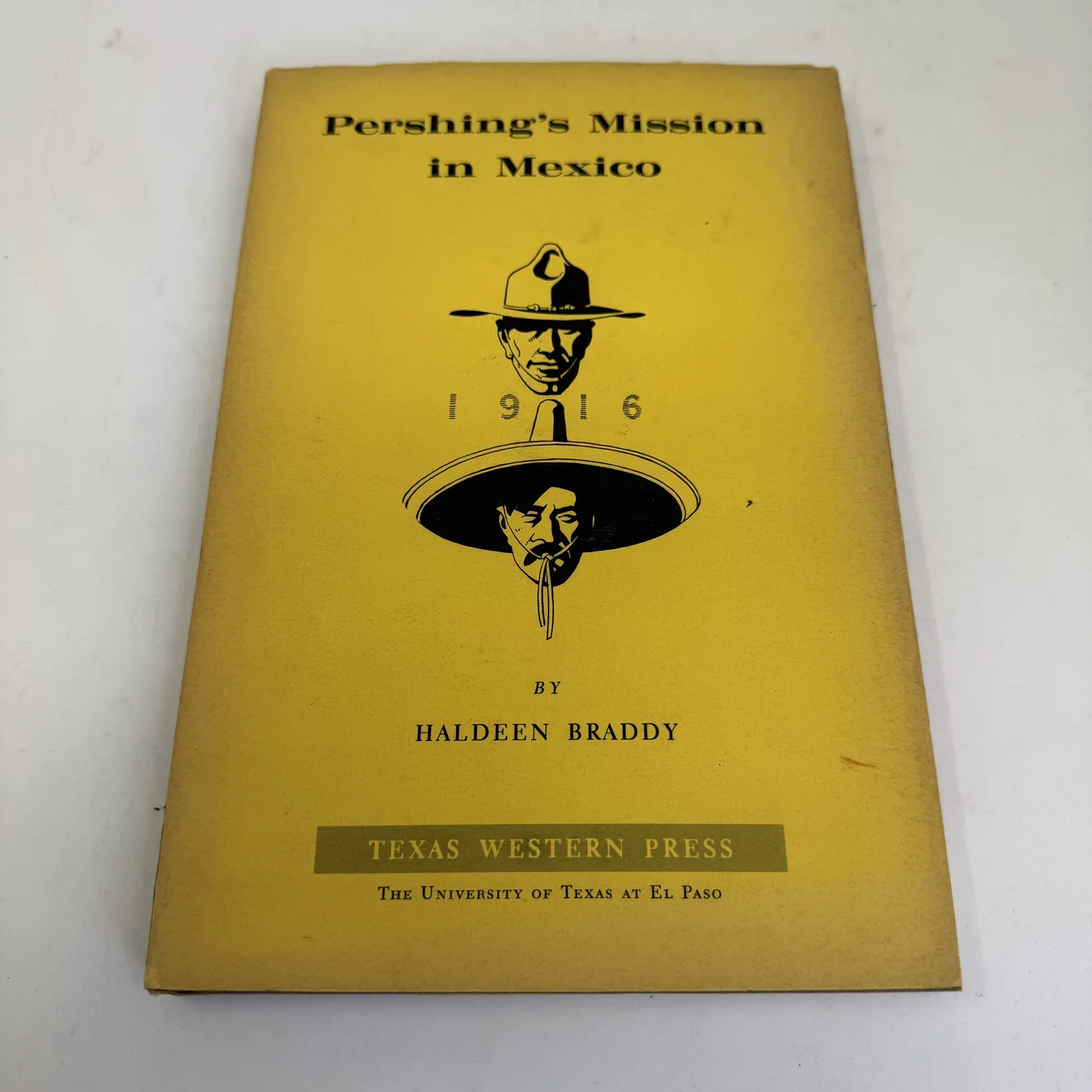
SIGNED · Carl Hertzog design · Closed pool (d. 1980)
Haldeen Braddy — Pershing's Mission in Mexico, signed
Texas Western Press 1966 first / 1973 reprint, hardcover with iconic yellow Hertzog dust jacket. Author-signed on the half-title. Carl Hertzog typography & dust jacket recognized by the Rounce and Coffin Club Feb 1967 and exhibited at the Huntington Library. The 1916 Punitive Expedition account.
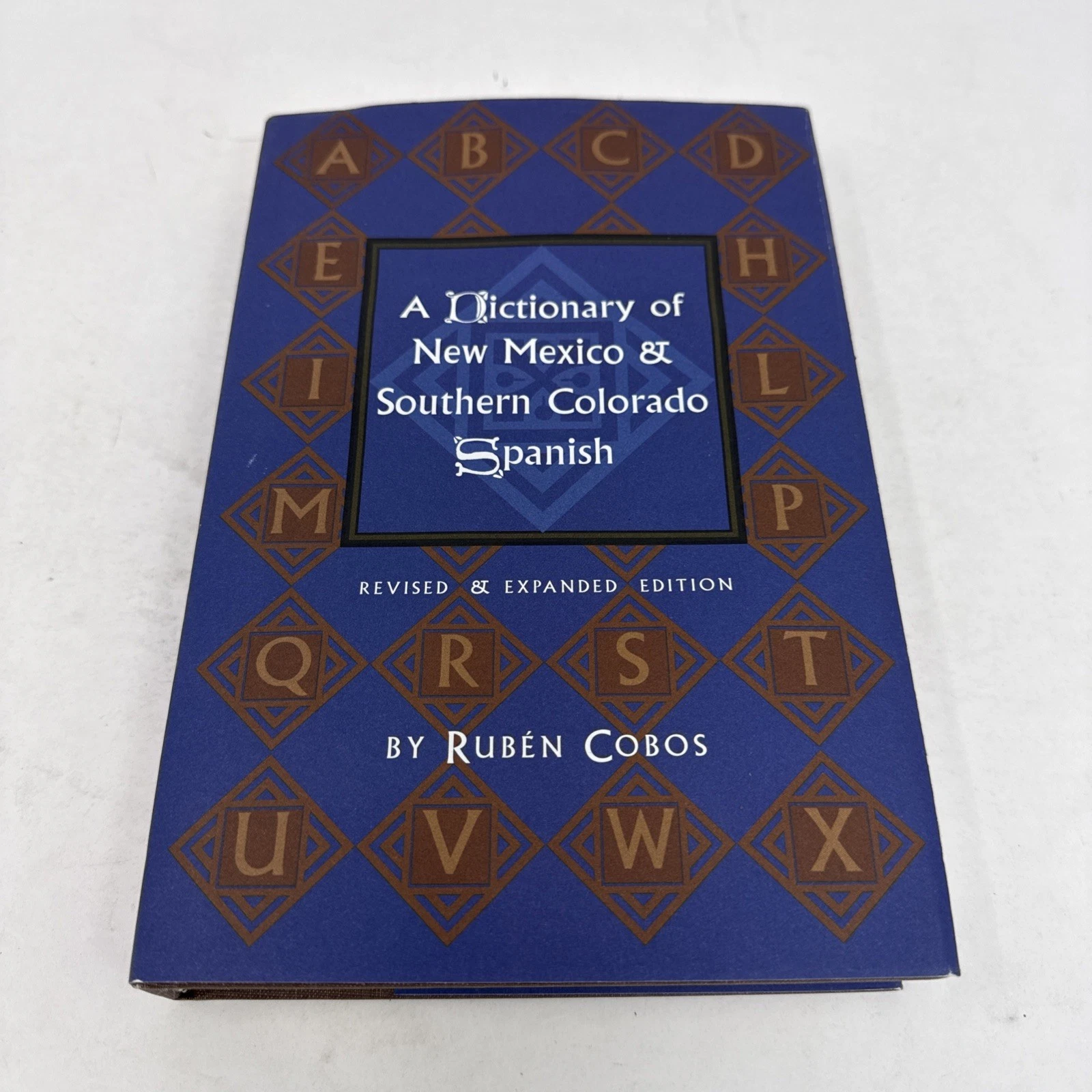
Signed · Closed pool (d. 2013)
Rubén Cobos — Dictionary of NM Spanish, signed
The standard scholarly reference for NM Spanish, signed and inscribed by the late Rubén Cobos.
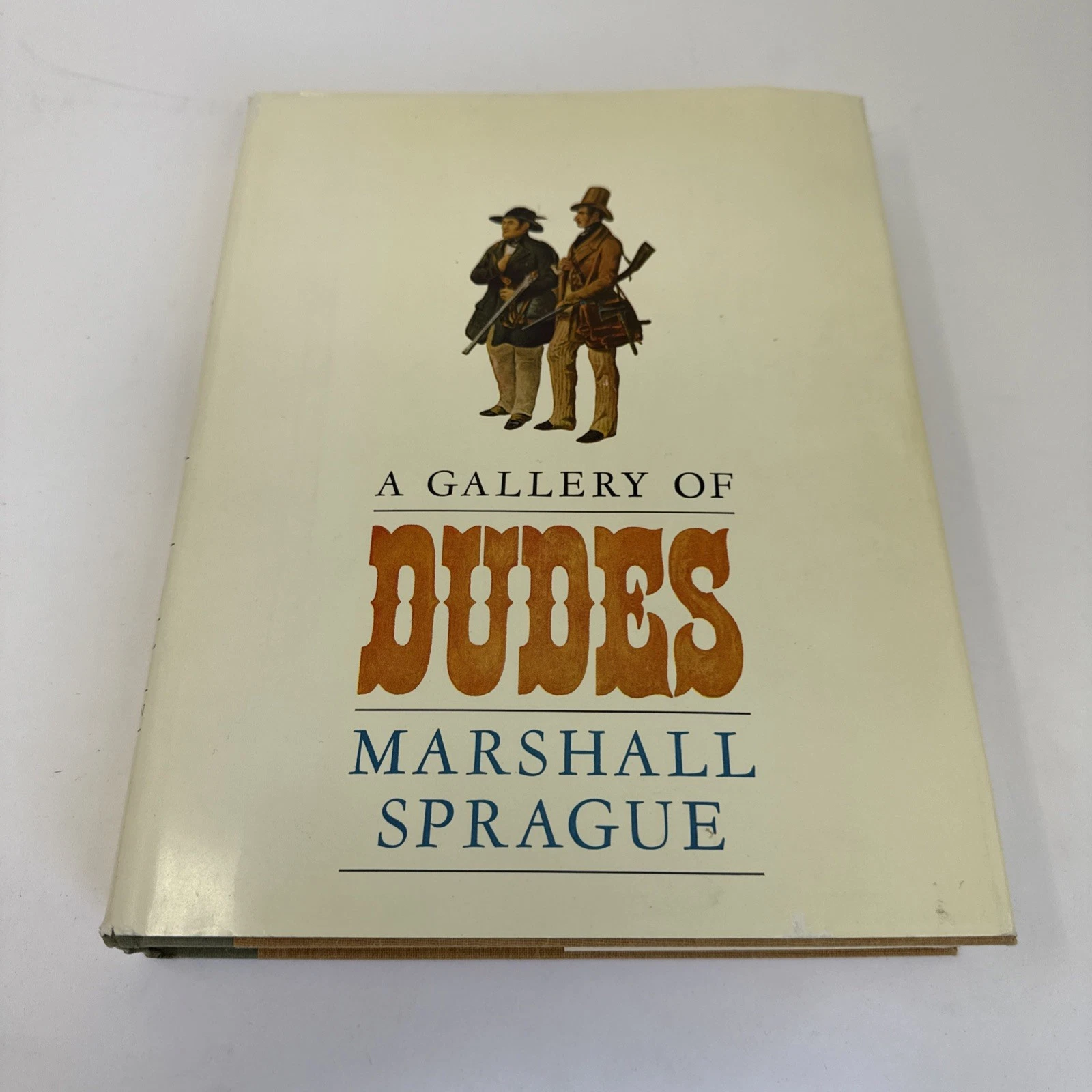
Signed first edition
Marshall Sprague — A Gallery of Dudes, signed first
FIRST EDITION (1967), signed by Sprague with a 1968 Christmas inscription from his daughter.
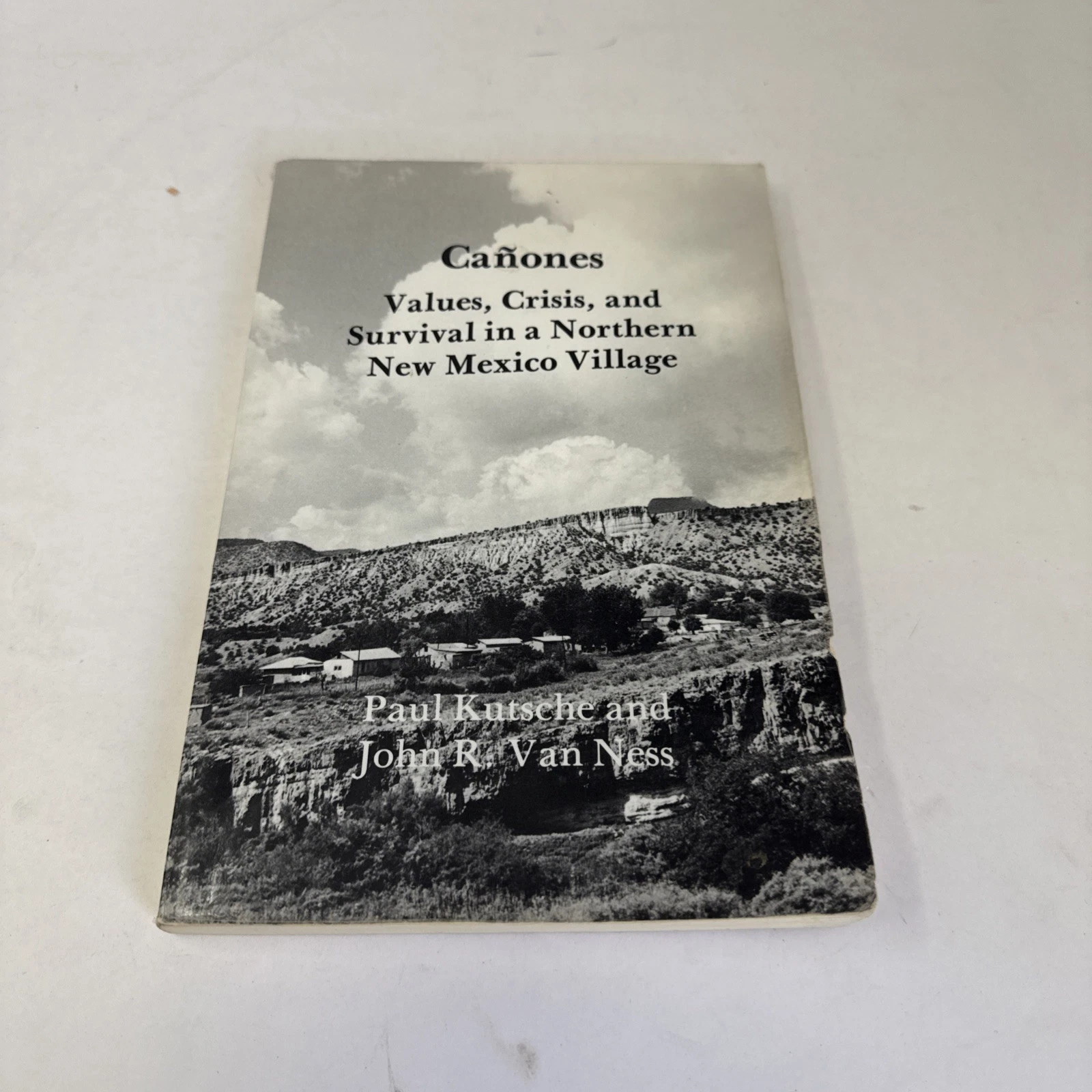
Signed by author
Kutsche & Van Ness — Cañones, signed by Kutsche
The foundational ethnographic study of a northern NM Hispanic village.
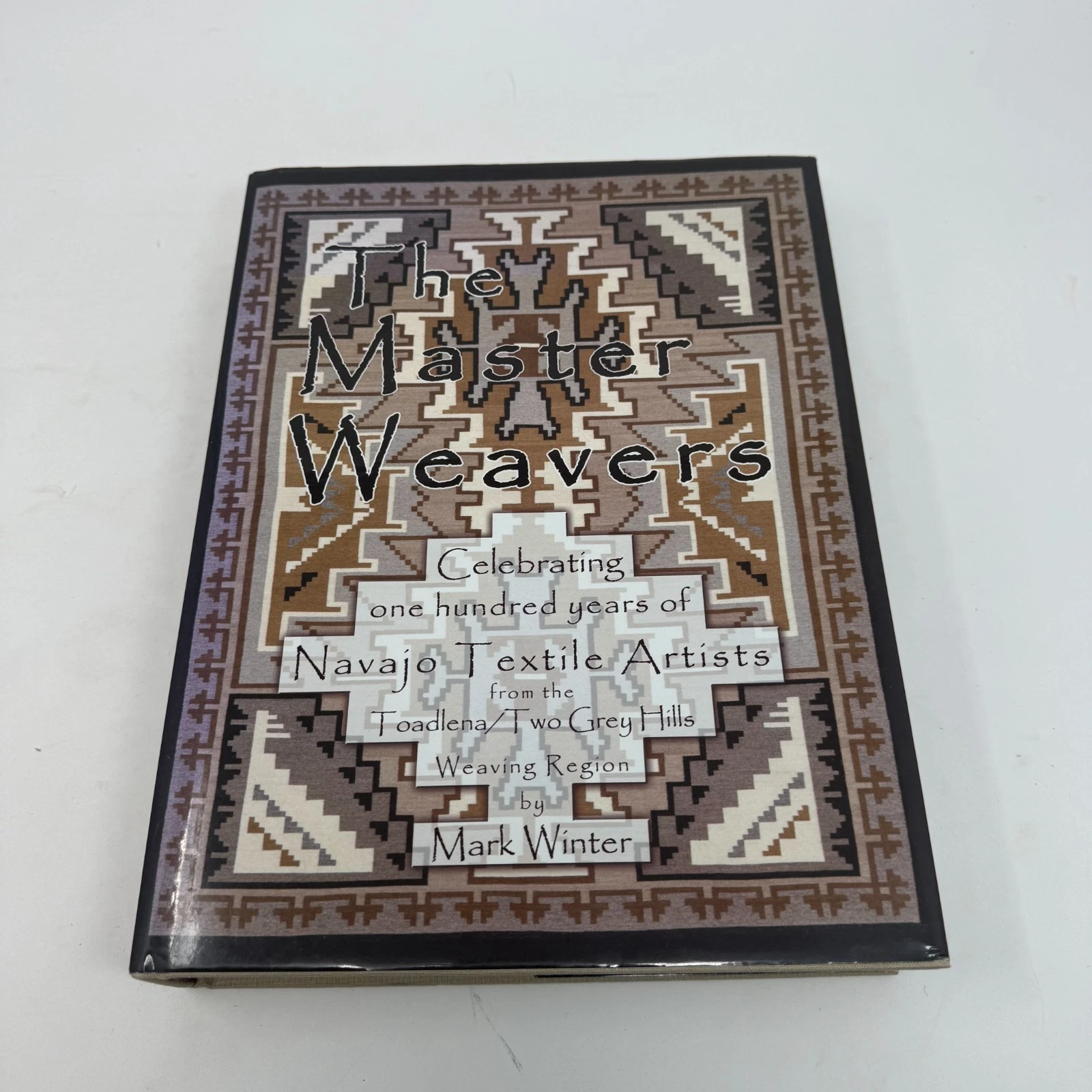
Signed at Toadlena, 6/16
Mark Winter — The Master Weavers, signed
The principal reference on Toadlena/Two Grey Hills Navajo weaving, signed at the trading post itself.
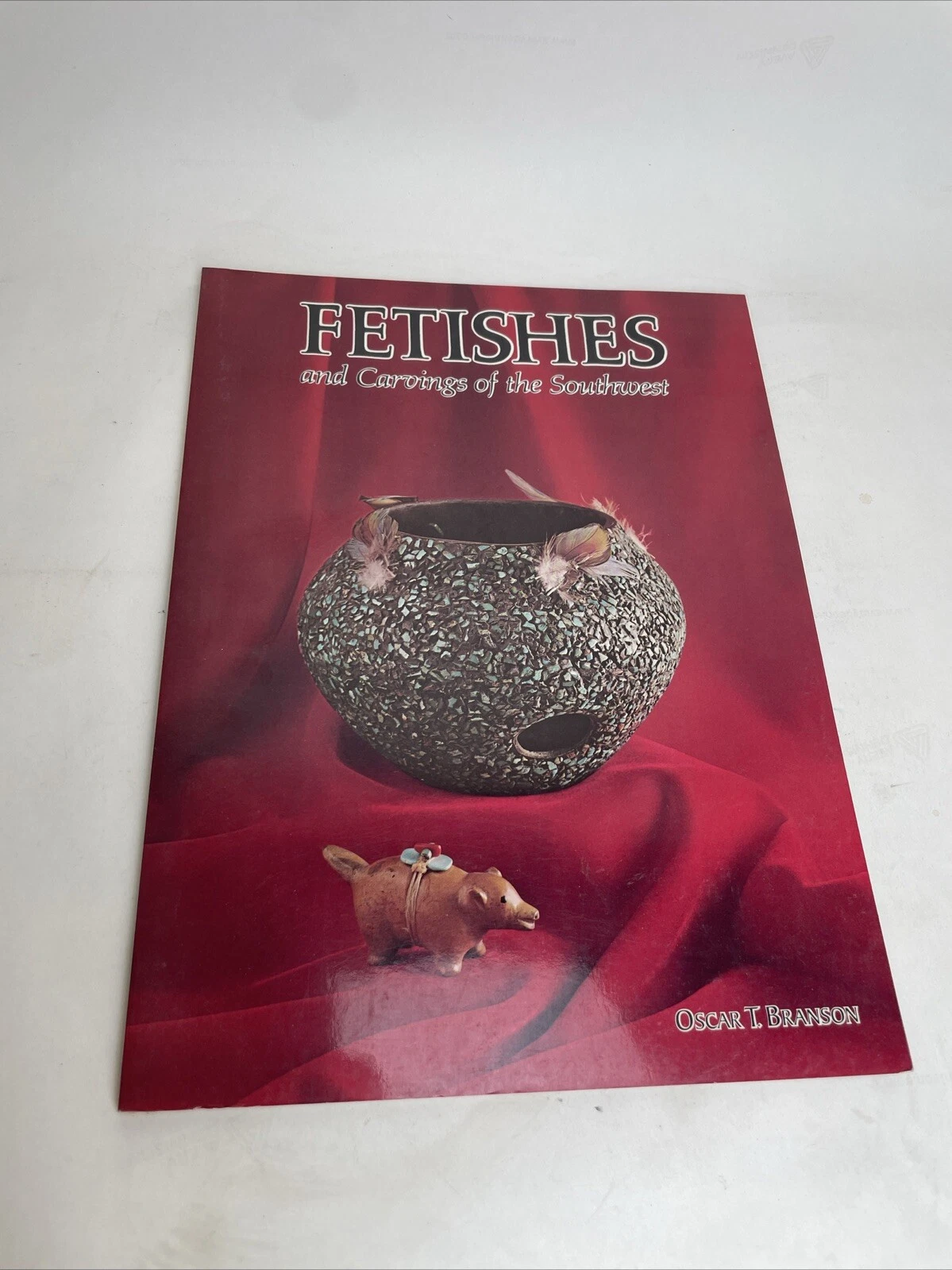
Signed by author
Oscar T. Branson — Fetishes & Carvings of the Southwest, signed
The principal English-language reference on Pueblo and Zuni stone fetishes.
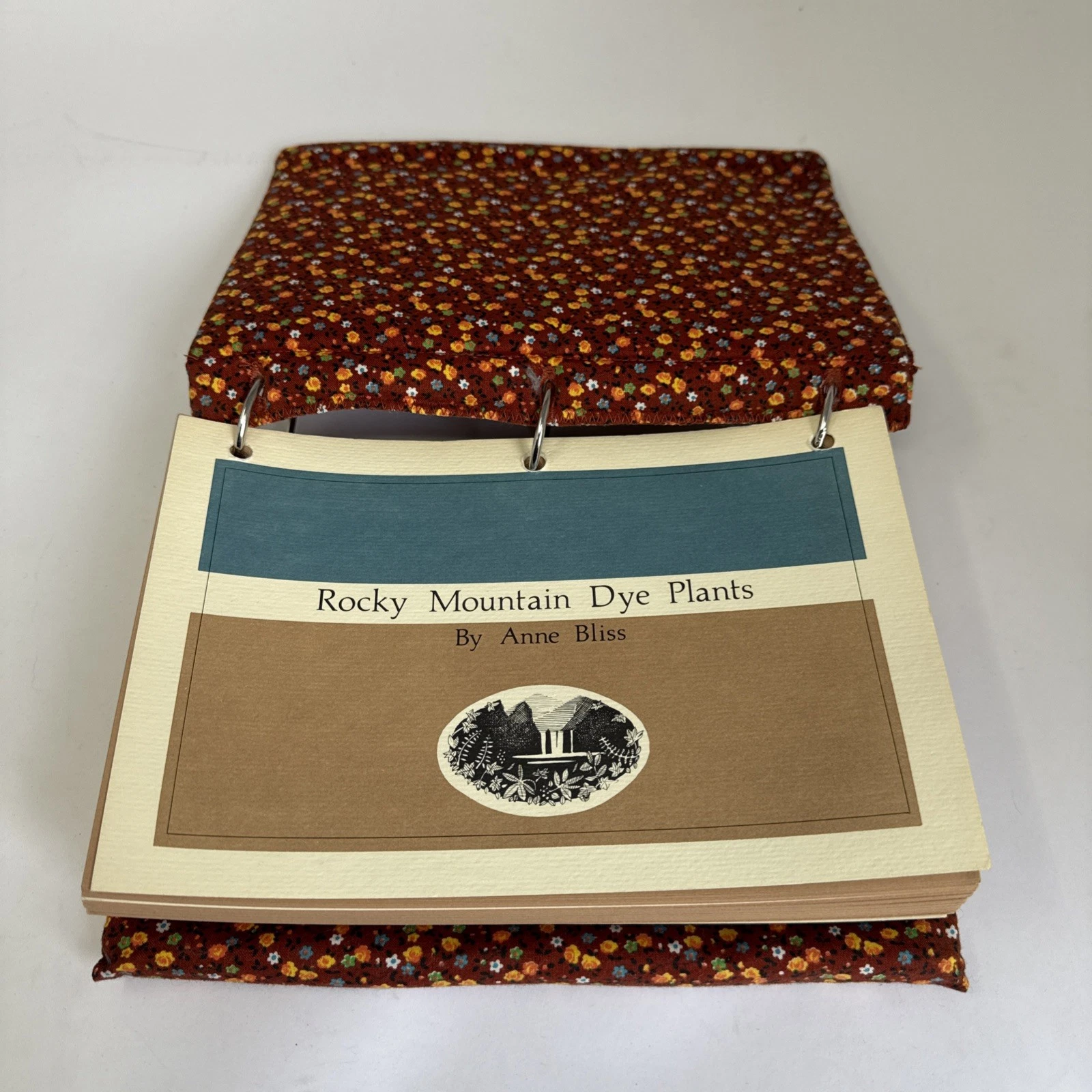
Hand-bound small press
Anne Bliss — Rocky Mountain Dye Plants
Hand-bound natural-dye handbook, drawings by Robert Bliss, Boulder 1976.
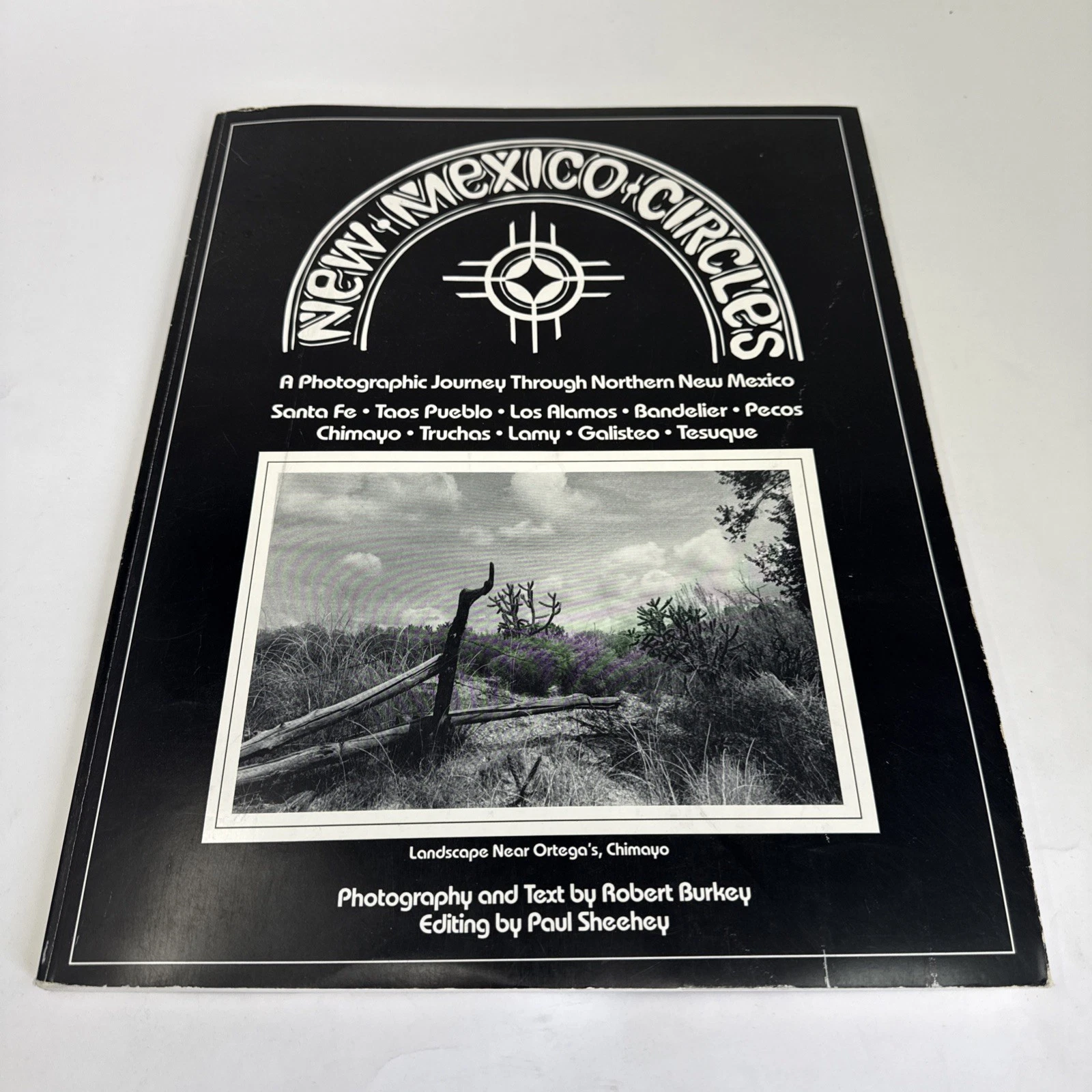
Photographic survey
Robert Burkey — New Mexico Circles
B&W photographic journey through Santa Fe, Taos, Bandelier, Chimayó, Truchas, Galisteo, Tesuque.
Five books, one donor, one Albuquerque living room.
An Albuquerque man called me last week. He'd tried to give books to a library Friends sale and was told they only wanted “the good ones” — he'd have to sort first. He didn't know which were good. He brought the whole pile to me. Five of them turned out to be quietly remarkable. They are the first five entries in this archive. Read his story in "The Library Wouldn't Take His Books Without Sorting".
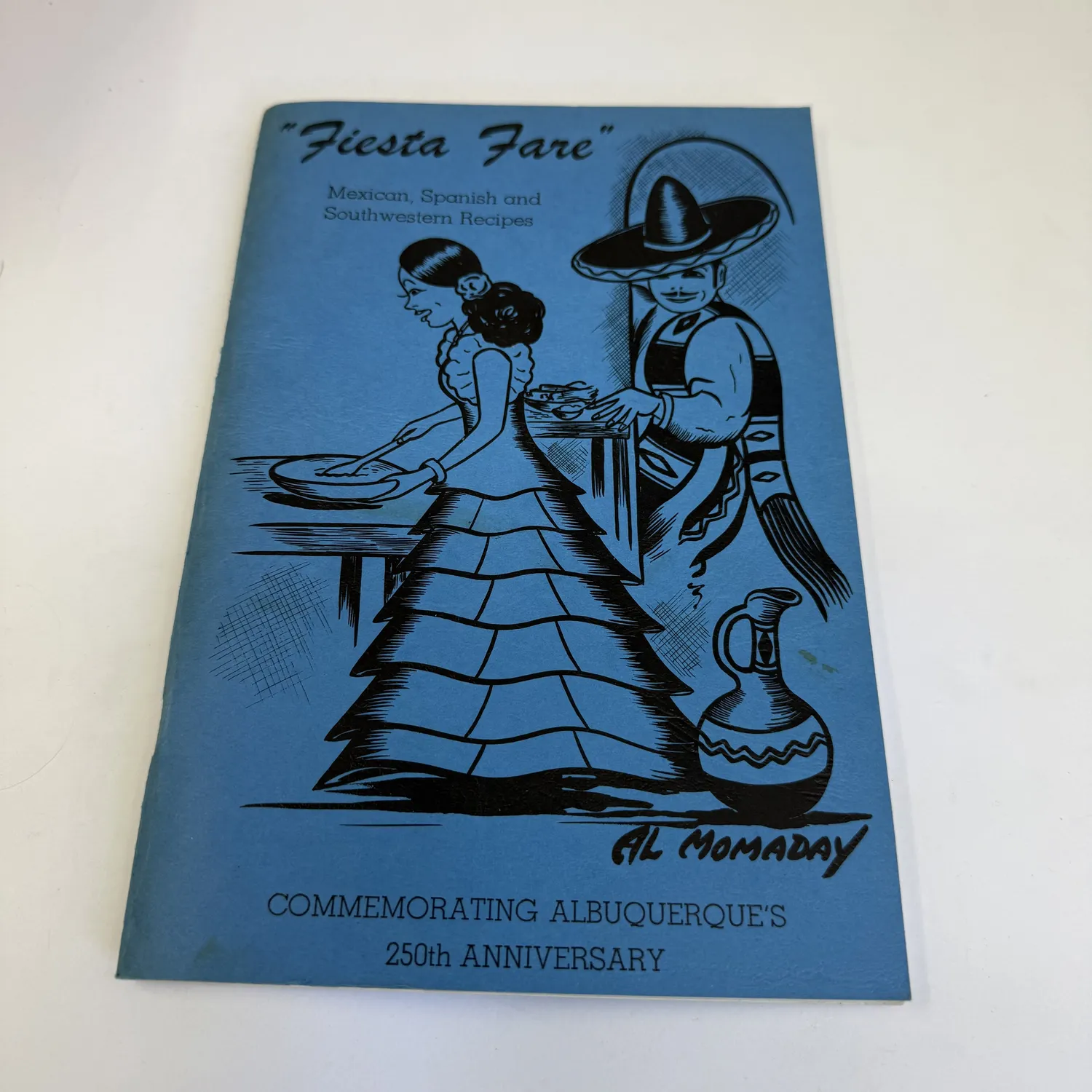
Cookbook · 1956 commemorative
Fiesta Fare — cover by Al Momaday
Albuquerque's 250th-anniversary cookbook with cover art signed by the father of Pulitzer-winner N. Scott Momaday.
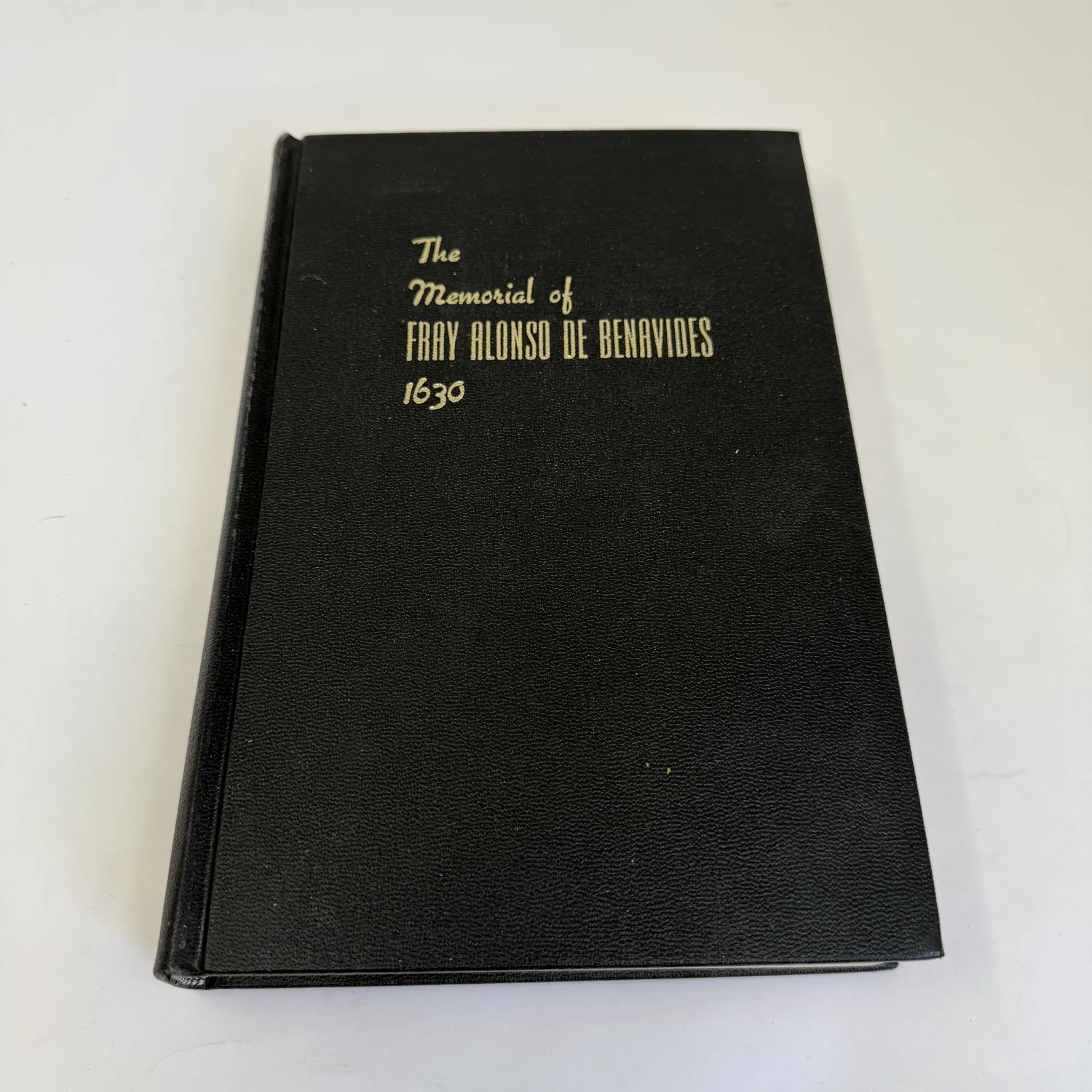
Spanish colonial · 1630 source document
The Memorial of Fray Alonso de Benavides
A Franciscan custodio's 1630 report to King Philip IV on the New Mexico missions. Foundational scholarly source.
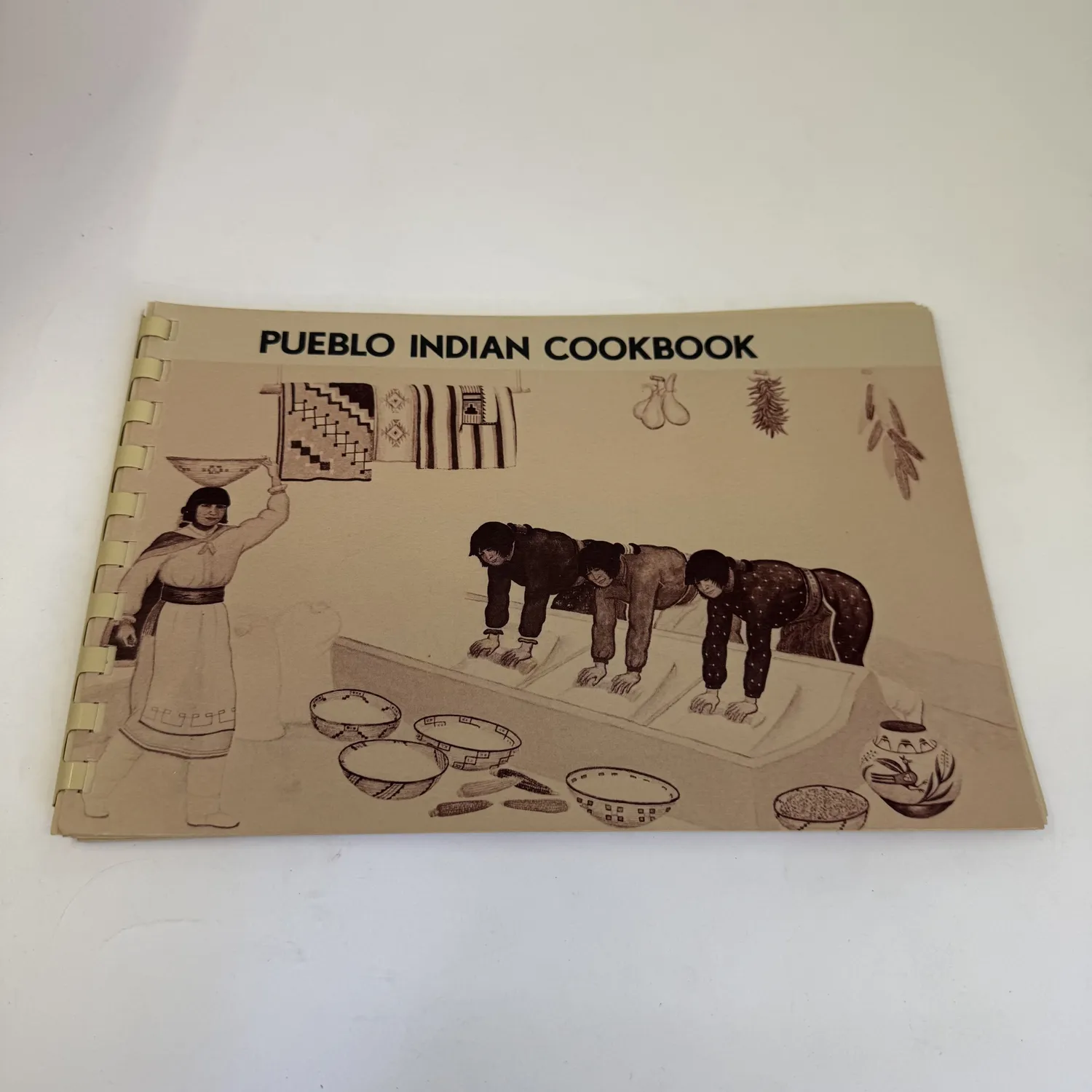
Regional cookbook · Museum of NM Press
Pueblo Indian Cookbook
Phyllis Hughes' compilation of traditional Pueblo recipes. In print over fifty years.
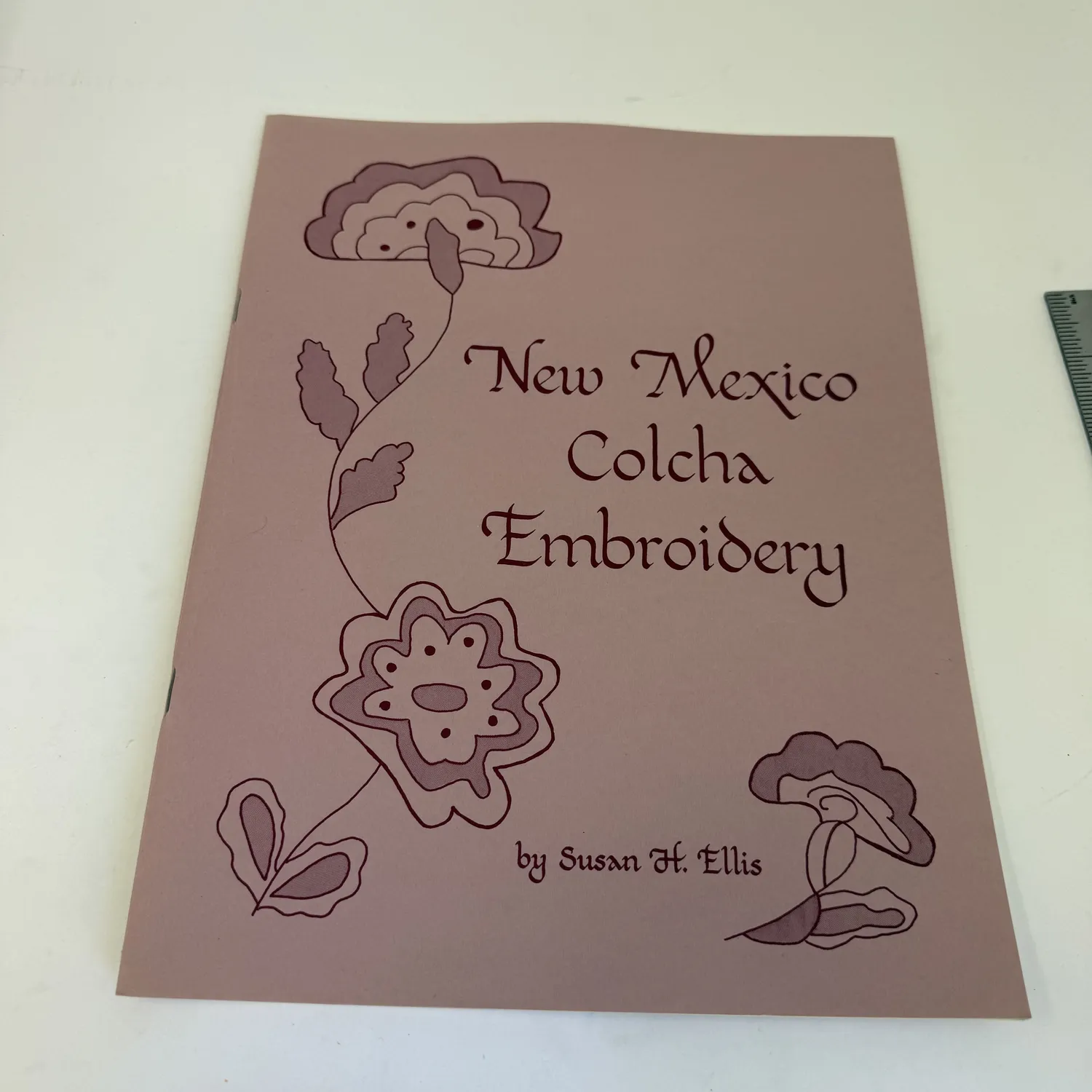
Specialty craft handbook
New Mexico Colcha Embroidery
Susan H. Ellis's handbook on the traditional NM Hispanic embroidery technique.
NM frontier memoir · small press
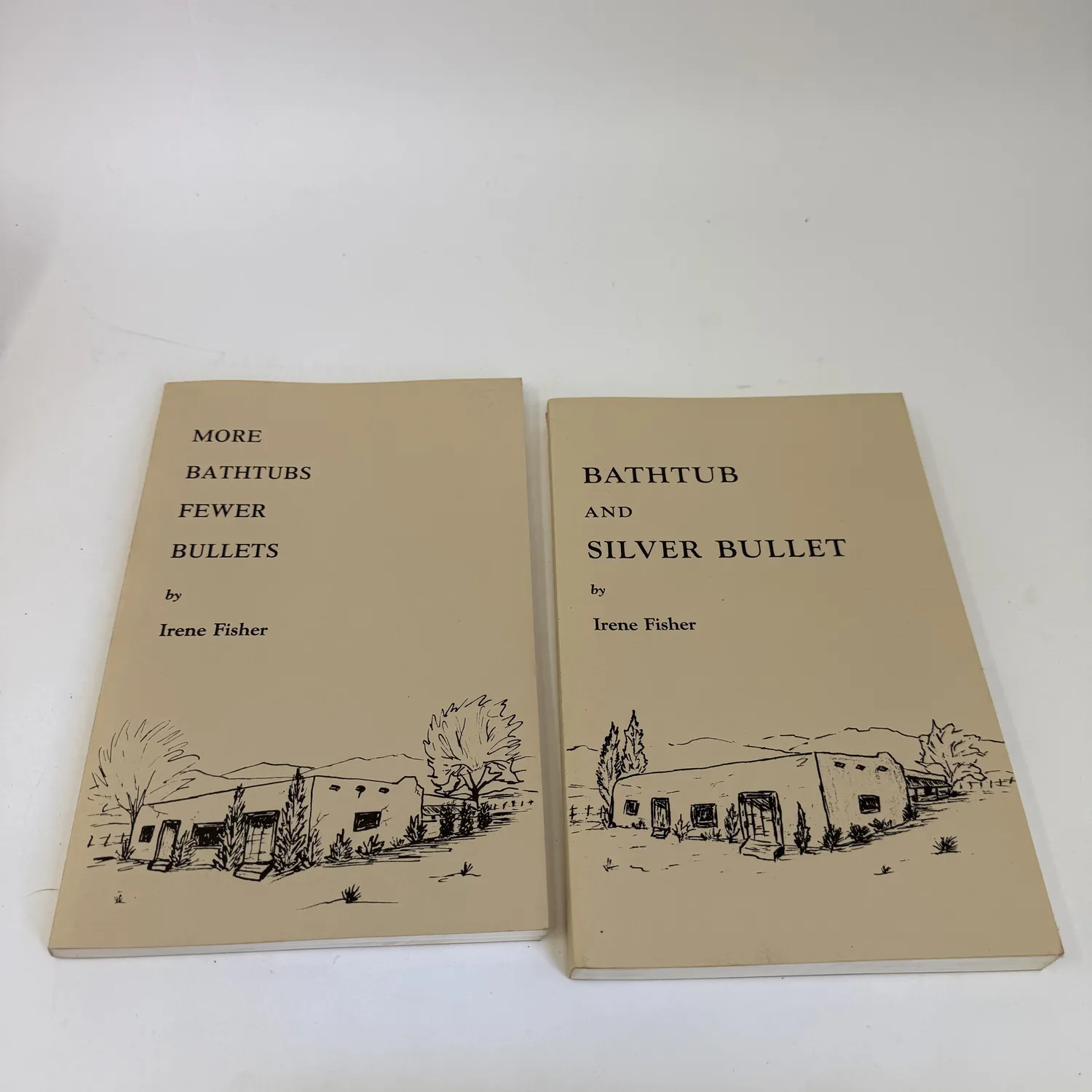
Irene Fisher — Bathtub and Silver Bullet
A pair of NM frontier-era memoir paperbacks. Local-history regional small-press.
More entries coming
The next book is in the pile right now.
Twelve entries live as of May 2026. New ones land as books arrive and I have time to photograph and write. Check the archive index any time.
What ends up in the archive
Most of the books that come through NMLP are general-interest reading — recent novels, mass-market paperbacks, popular non-fiction, cookbooks, kids' books, textbooks. Those are essential to the operation; they go to readers, schools, and Little Free Libraries within a week of arrival, and they keep the literacy mission alive. They do not go in the archive. The archive is for a narrow slice: books that are regionally significant to New Mexico, scholarly reference works that scholars still use, books with provenance value (a specific signature, a specific date, a specific publisher), books with cover art or design that matters historically, and books in print runs small enough that the loss of a copy actually shifts how easy that book is to find.
A few quiet rules I follow.
I don't archive a book unless I have a photo of the actual donated copy. Stock photos defeat the purpose. The point of the archive is that this book, this copy, this donation happened.
The book itself doesn't have to stay here for the entry to stay here. Most archived books pass through the operation normally — sold, donated, routed to a school, given to a Little Free Library partner, or recycled. The photo and the written record stay. So an entry from January 2026 can still be a useful reference in 2030 even if the physical book left the warehouse the week it arrived. Exceptional objects — one in twenty, maybe — are held aside until a proper next-home destination is identified.
Many entries include multiple photos, not just the cover. Where it's useful, I document the title page, copyright page (the first-edition tells), spine, dust jacket, signatures, bookplates, and any distinctive features. That's what turns an archive entry into a bibliographic reference rather than just a photograph. Other pages on this site — the author pillars, the closed-signature-pools page, the top-50 collectibles list — can deep-link to a specific photo within an archive entry to show what an actual copyright-page tell or an actual signature looks like, instead of describing it abstractly.
Donor scenarios are anonymized. I describe the situation that brought the book in — "an estate cleanout in the Northeast Heights," "a downsizing senior in Corrales," "a UNM faculty retirement" — without names, addresses, or anything that would identify a specific person. If a donor wants to be named, they can ask, and I'll add the byline.
Where the book went is disclosed factually. "Sold to a private collector," "donated to UNM Center for Southwest Research," "kept on the retail shelf at the warehouse," "routed to a Little Free Library partner in the South Valley." The archive is honest about commerce. I'm a for-profit operation and some of these books generate revenue when they find the right buyer. That revenue is what keeps the free-pickup pipeline running for everyone else.
Books that didn't make it are still here. If a notable book came through too damaged to save, the archive entry will say so. The point is the record, not a marketing pitch. Some books that should have been preserved arrived past the point where they could be.
Have books that should be in this archive?
If you're sitting on a New Mexico library — estate, downsize, move, retirement — the easiest way to find out is to call. Free in-home pickup in metro Albuquerque. I'll handle the sorting. The books that belong in the archive will end up there.
Related on this site
- "The Library Wouldn't Take His Books Without Sorting" — the donor essay this archive launches with.
- Closed Signature Pools — New Mexico Authors — the reference table on which NM authors' signatures are still authenticatable.
- Top 50 Most Collectible New Mexico First Editions — the broader regional-collectibility map.
- Where to Donate Books in Albuquerque — Complete Comparison Guide — all 18 NM book-disposal channels compared.
- Books Are Heavy and Where the Books Will Find Readers — the other donor essays.
- About NMLP & Josh Eldred — who runs the operation.